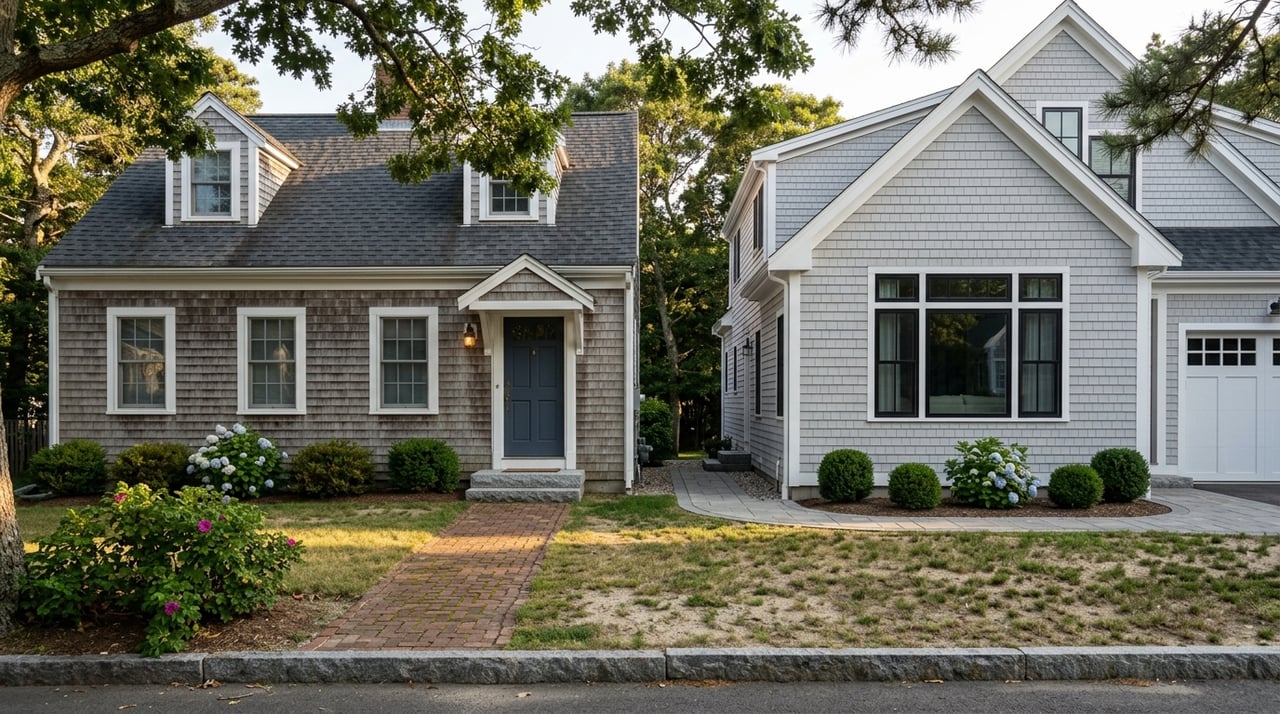
Wondering whether a classic Falmouth Cape or a newer build is the better fit for your life on the Upper Cape? It is a common question, especially in a town where historic village homes, seasonal cottages, and more recent construction all share the market. If you are weighing charm against convenience, or character against lower day-to-day upkeep, this guide will help you compare the tradeoffs that matter most in Falmouth. Let’s dive in.
Falmouth Has a Mixed Housing Stock
Falmouth is not a one-style market. According to the Cape Cod Commission’s April 2026 housing profile, about 83% of residential properties in town are single-family homes, about 13% are multifamily, and roughly 30% of housing units are used seasonally, recreationally, or occasionally.
That variety matters when you start comparing older homes to newer ones. Most Falmouth homes were built between 1950 and 1999, while about 13% were built in 2000 or later. In other words, you are not just choosing between old and new. You are choosing among very different layouts, maintenance needs, village settings, and property constraints.
What Defines a Classic Falmouth Cape
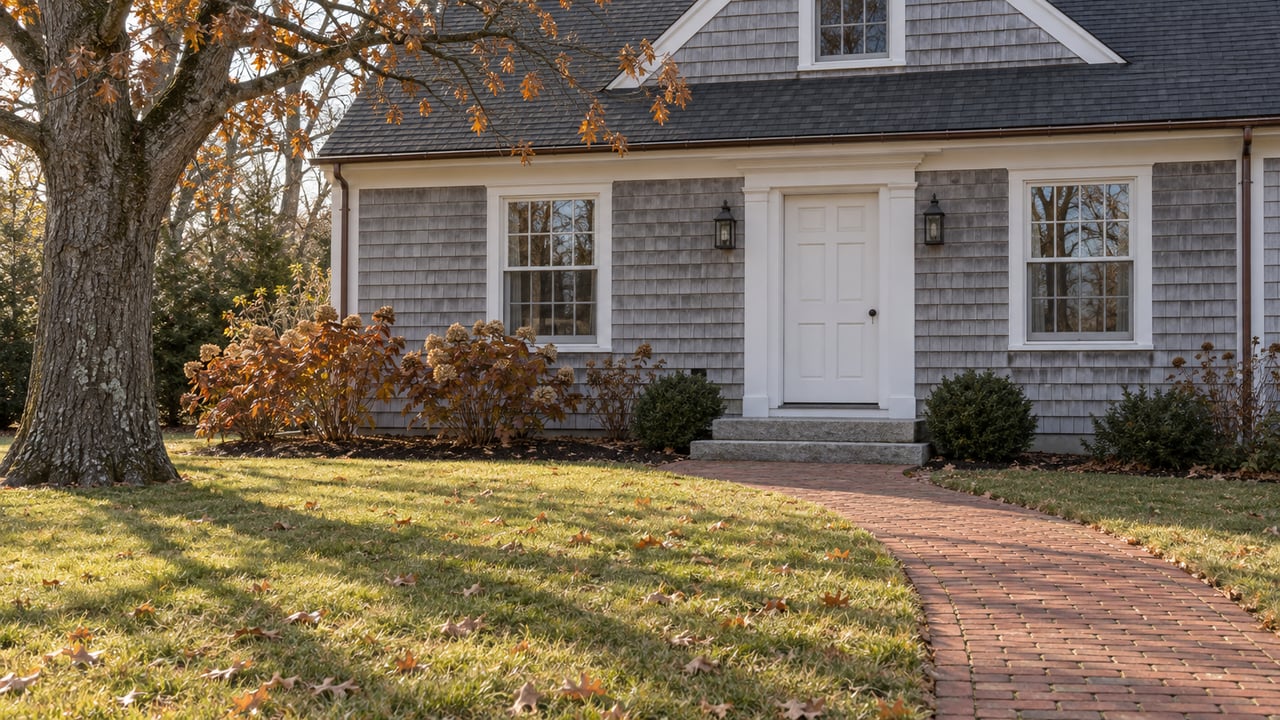
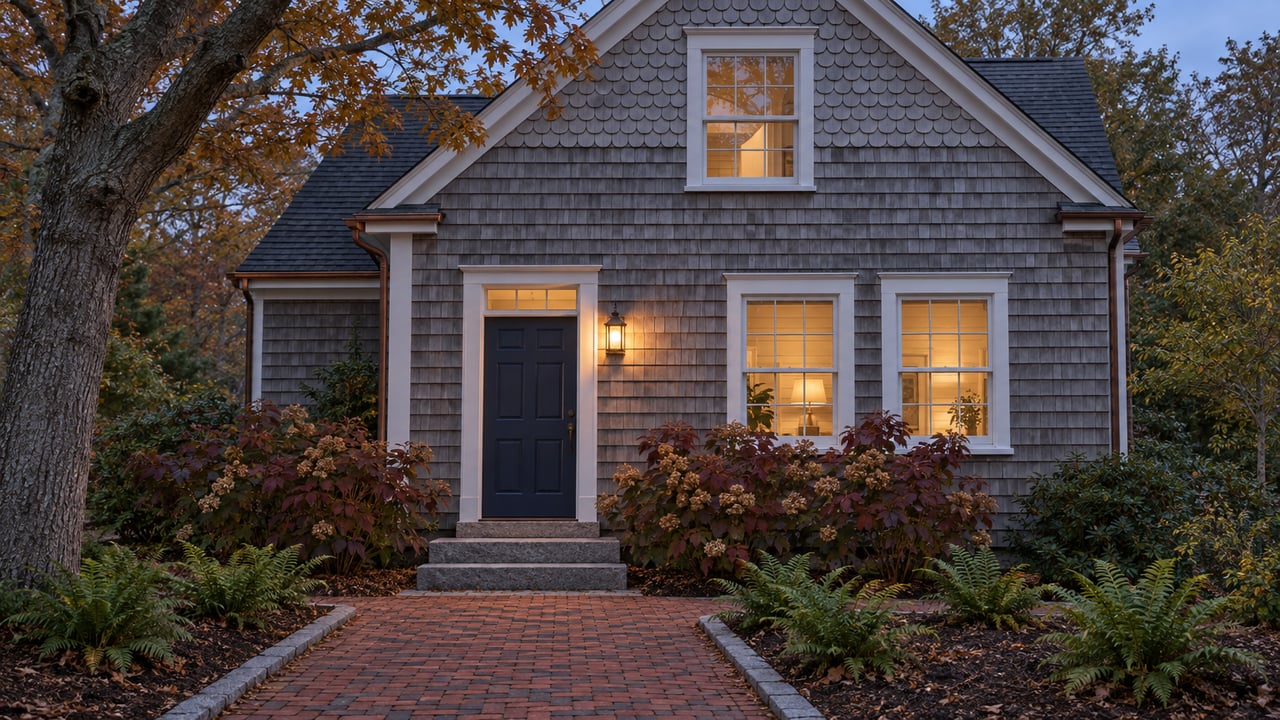
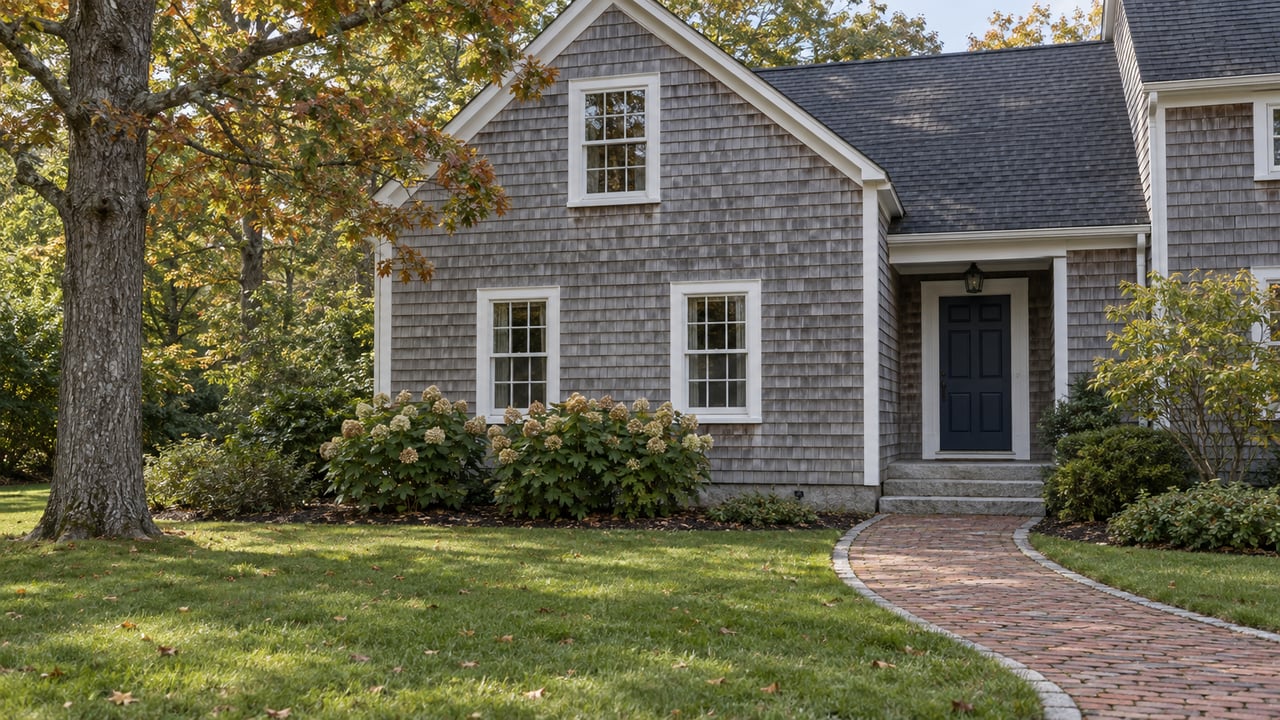
A classic Cape Cod house was shaped by New England weather. Traditional Capes typically have steep roofs, a low profile, a side-gabled form, a central chimney, small windows, and a one-room-deep interior plan.
For you as a buyer, that often means a home with symmetry, simplicity, and a compact footprint. These homes can feel cozy and grounded, but they may also feel less open than many newer properties. If the upper level was never fully finished, usable living space may feel tighter than the square footage suggests.
What Buyers Often Love
Classic Falmouth Capes often appeal to buyers who want a home that feels tied to place. Their scale and proportions can feel especially fitting in village settings and older streetscapes.
You may also appreciate the straightforward form. Many buyers are drawn to the sense of history, the familiar rooflines, and the way these homes reflect traditional Cape Cod design rather than current trends.
What Buyers Should Consider
The same features that create charm can also shape daily living. Smaller rooms, lower ceiling lines upstairs, and less-open first floors may not suit every household or every stage of life.
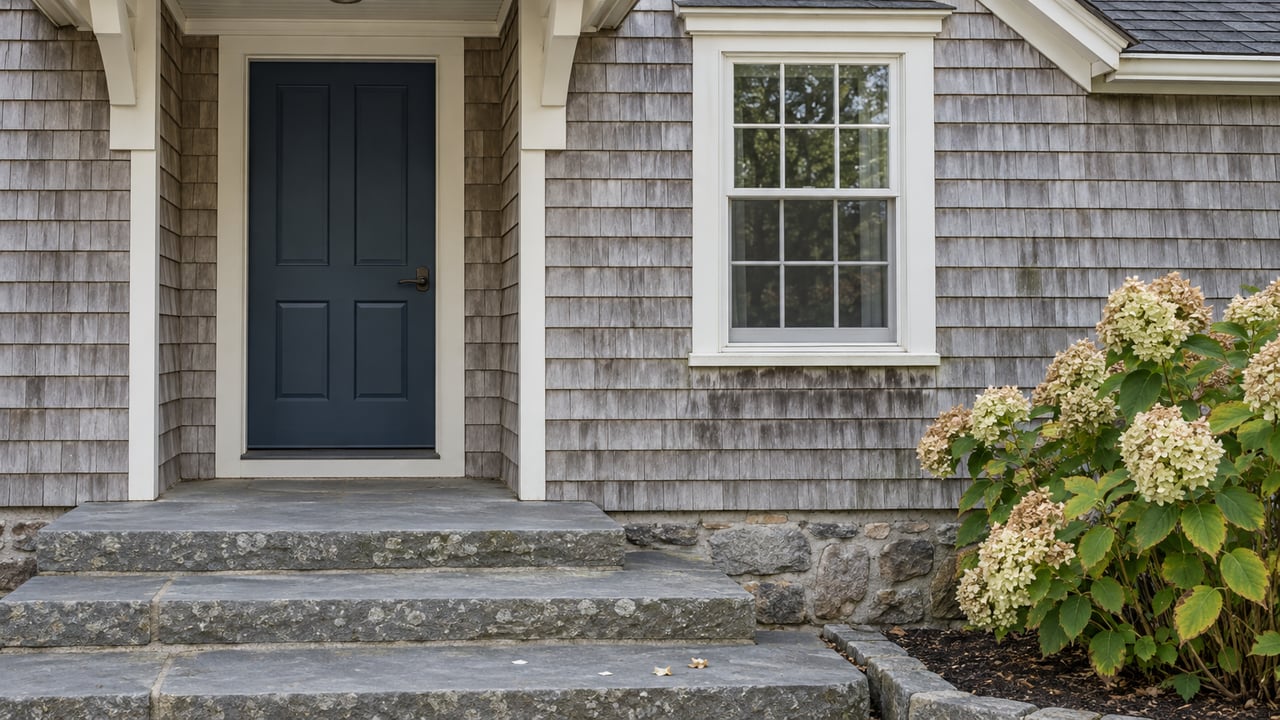
Exterior upkeep can also be part of the equation. Older New England homes often rely on regular maintenance to keep wood siding and windows weather-tight, and Cape Cod’s climate can be hard on exterior wood over time.
Older Village Homes Offer More Than Capes
In Falmouth, older housing goes well beyond the Cape form. The town’s historic district guidance describes a range of village architecture, including Georgian, Federal, Greek Revival, Victorian-era, Craftsman, Colonial Revival, and large summer cottages in areas such as Quissett and Woods Hole.
That means two homes described as “historic” can live very differently. One may be symmetrical and formal with a centered entry and deeper layout, while another may include later additions, period details, and a more varied floor plan.
Why Village Setting Matters
For many buyers, the appeal of an older village home is not only the house itself. It is also the street character, the lot pattern, and the way the home fits into a long-established part of town.
That can create a stronger sense of place than a newer pocket development. At the same time, older homes often come with more variation in room sizes, rooflines, and updates, so it is important to evaluate each property on its own terms.
What Newer Builds Usually Offer
Newer homes in Falmouth often appeal to buyers who want a more current layout and fewer immediate projects. In many cases, that means more open living areas, larger kitchens, and floor plans that feel easier for today’s routines.
Some newer or heavily renovated homes still borrow traditional design cues. Colonial Revival motifs remain popular, which helps explain why a newer home can feel modern inside while still reading as Cape Cod or colonial from the street.
New Does Not Always Mean Out of Place
In Falmouth’s historic districts, new construction must be compatible with surrounding historic buildings in areas like siting, setbacks, scale, design, materials, and site improvements. At the same time, it should remain distinguishable from older structures.
For you, that means a newer house in a village setting may still feel visually connected to the neighborhood. It may not copy a historic home exactly, but it is generally expected to fit the broader streetscape.
Historic District Rules Can Affect Decisions
Falmouth has seven local historic districts. If a property is in one of those districts, proposals to change or demolish buildings must go through Historical Commission review before permits are issued.
This is important whether you are buying an older home or considering a rebuild in a village location. If you are picturing major exterior changes, a teardown, or a substantial redesign, district review may affect the timeline and what is ultimately possible.
Maintenance Is Not Just About Age
It is easy to assume that an older home always means more work and a newer one always means less. In Falmouth, the picture is more nuanced.
Cape Cod weather can be demanding on exterior materials, especially wood. Falmouth’s design guidance notes that the local climate can contribute to premature rot and insect decay if wood is not maintained consistently. Historic New England’s maintenance guidance recommends checking roofs at least twice a year, gutters three times a year, and windows twice a year.
A Practical Way to Think About Upkeep
If you are considering a classic Cape or another older village house, look closely at the condition of siding, windows, rooflines, and trim. The question is not only how old the house is. It is how well key components have been maintained over time.
If you are considering a newer build or major renovation, you may face fewer near-term repairs, but that does not remove the need for due diligence. Quality of construction, site conditions, and location still matter.
Flood Zones Can Matter More Than Style
In coastal Falmouth, location can shape ownership just as much as architecture. The town has 68 miles of shoreline, and official flood mapping includes AE and VE zones. VE is the coastal flood zone with additional wave hazards.
For waterfront or low-lying properties, flood-zone status can affect your due diligence and project planning. A newer house in a higher-risk coastal location may involve a different ownership picture than an older house farther inland.
Septic Rules Can Shape Renovation Plans
If you are comparing an older home to a raze-and-rebuild or major addition, septic rules may become a major factor. Falmouth’s Board of Health says its septic supplement to Title 5 took effect on November 15, 2025.
The rule requires more advanced nitrogen-reducing septic technology in nitrogen-sensitive areas when a project increases wastewater flow. That includes new homes, raze-and-rebuild projects, bedroom additions, and some commercial expansions.
Why This Matters for Buyers
A classic Cape with limited bedrooms may seem like a candidate for expansion. A teardown lot may seem like a blank slate. But in Falmouth, septic requirements can influence cost, design choices, and the overall feasibility of a project.
That is one reason local property guidance matters so much here. In many cases, the most important difference between two homes is not the style from the street. It is what the site allows you to do next.
Which Option Fits Your Goals
If you are drawn to history, village character, and a home with a strong sense of place, a classic Falmouth Cape or older colonial may be the right match. These homes often reward buyers who value architecture, established settings, and the experience of living in a property with visible local roots.
If you want a more open layout, a more contemporary feel, or fewer immediate updates, a newer build or recently renovated home may make more sense. These properties often align well with buyers looking for easier day-to-day living, second-home convenience, or a more turnkey purchase.
The Best Choice Depends on the Property
In Falmouth, age alone does not settle the question. A well-kept older home in a village may be a better fit than a newer home in a more complex coastal setting. A thoughtfully designed newer home may offer the right balance of local style and modern function.
The key is to compare homes through a Falmouth-specific lens. Style matters, but so do historic district review, maintenance expectations, flood-zone location, and septic rules tied to future plans.
If you are weighing classic charm against newer convenience in Falmouth, local perspective can make the decision much clearer. The team at Ermine Lovell Real Estate brings village-level knowledge, hands-on guidance, and long experience helping buyers and sellers navigate the Upper Cape with confidence.
FAQs
What is a classic Cape Cod house in Falmouth?
- In Falmouth, a classic Cape Cod house usually refers to a traditional home form with a steep roof, low profile, side-gabled shape, central chimney, small windows, and a compact interior layout.
Are older Falmouth homes always more expensive to maintain?
- Not always, but older homes often need regular attention to elements like wood siding, windows, gutters, and roofs, especially in Cape Cod’s coastal climate.
Do newer homes in Falmouth still look traditional?
- Often, yes. Newer homes and major renovations may use Colonial Revival or other traditional design cues, even when the interior layout feels more modern and open.
What should buyers know about Falmouth historic districts?
- Falmouth has seven local historic districts, and changes or demolitions in those districts must receive Historical Commission review before permits are issued.
How do flood zones affect Falmouth home choices?
- Flood-zone location can affect due diligence and future project planning, especially for waterfront or low-lying properties in AE or VE zones.
Why do septic rules matter when comparing homes in Falmouth?
- Septic rules can affect additions, rebuilds, and new construction, especially in nitrogen-sensitive areas where increased wastewater flow may trigger more advanced system requirements.