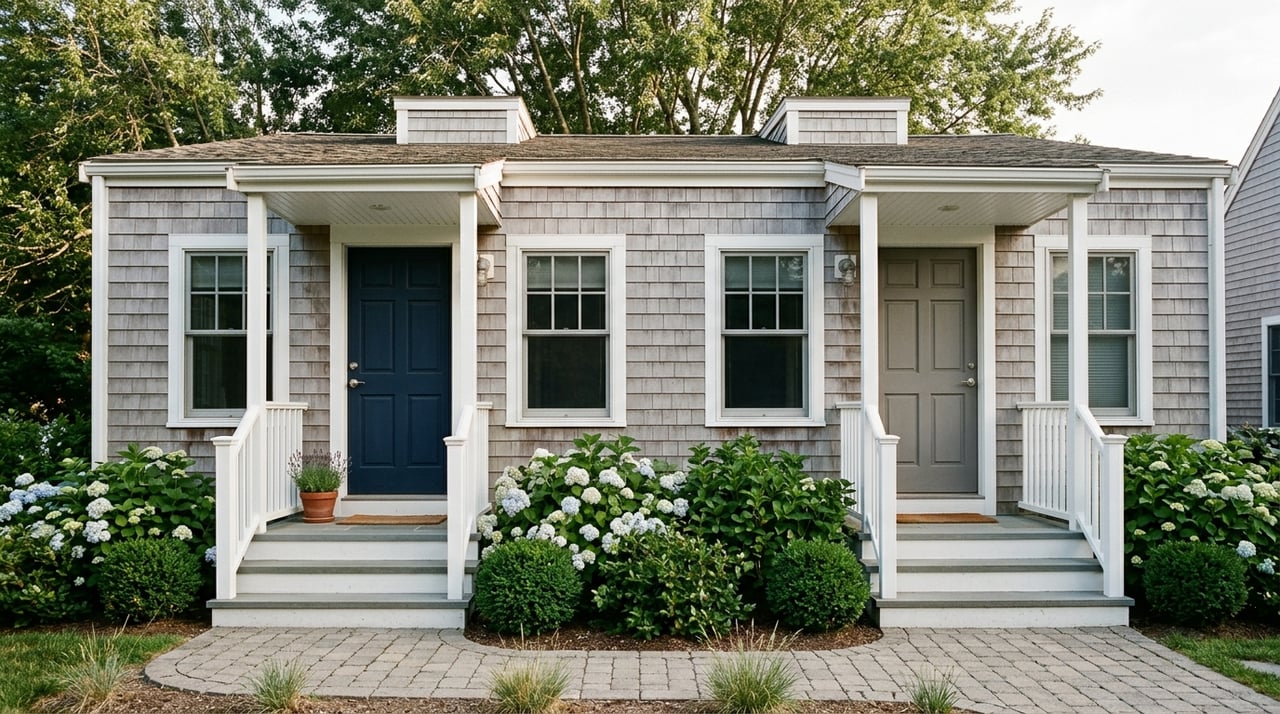
Wondering whether a condo, cottage, or classic Cape is the right fit in Falmouth? It is a common question here, because your decision is not just about square footage or style. In a town shaped by 68 miles of shoreline, seasonal living patterns, and village-by-village differences, the right home depends on how you plan to live. This guide will help you compare the tradeoffs so you can move forward with more clarity and confidence. Let’s dive in.
Why home type matters in Falmouth
Falmouth is not a one-size-fits-all market. The town includes downtown Falmouth and Woods Hole as its two compact, mixed-use centers, while many other areas are shaped by shoreline access, seasonal routines, and older housing stock.
The local housing mix also helps explain your options. About 83% of residential properties are single-family homes, while roughly 10% are condo or apartment properties. Nearly one-third of all housing units are used seasonally, recreationally, or occasionally, so many buyers are choosing not only a home style, but also a lifestyle.
Price and practicality matter too. The 2024 median home-for-sale price in Falmouth was $792,250, and the town profile estimates a household would need about $240,000 in annual income to afford that median-priced home. That makes it especially important to choose a property type that fits both your budget and your long-term plans.
Start with how you will use the home
Before you compare floor plans or finishes, think about your day-to-day use. Will you live in Falmouth year-round, spend summers here, or split time between homes? Your answer shapes almost every other decision.
If you plan to live here full-time, you may care more about storage, heating costs, winter maintenance, and access to village services. If you want a seasonal getaway, you may focus more on lock-and-leave convenience, beach access, and keeping upkeep simple.
This question matters in Falmouth because the town has a strong seasonal housing pattern and limited year-round rental supply. A home that feels perfect for July may feel very different in January, especially if it is smaller, older, or closer to the water.
Condos in Falmouth
Why buyers choose condos
A condo can be a smart fit if you want lower exterior maintenance and a more flexible setup. That often appeals to buyers who want a second home, downsizers who prefer simpler upkeep, or anyone who wants to be near downtown Falmouth or Woods Hole without managing a full yard and exterior.
In Falmouth, condos often work well for buyers who value convenience over extra land. If you picture weekends on the Cape without spending half your time on landscaping, painting, or storm prep, a condo may be worth a closer look.
What to review before you buy
In Massachusetts, condo ownership is governed by the master deed, bylaws, and state law. Those documents shape ownership interests, common areas, maintenance responsibilities, insurance, meetings, voting, reserve funds, and assessments.
That means the association matters as much as the unit itself. Before you commit, review the condo budget, reserve position, meeting minutes, pet rules, parking rules, rental restrictions, and any upcoming capital projects. A well-run association can make ownership easier, while deferred maintenance or weak reserves can change the cost picture quickly.
Best fit for a condo
A condo may be the best match if you want:
- Less exterior maintenance
- A lock-and-leave property
- Proximity to mixed-use village areas
- A smaller footprint to manage
The tradeoff is control. You gain convenience, but you also agree to shared rules and shared financial decisions.
Cottages in Falmouth
Why buyers love cottages
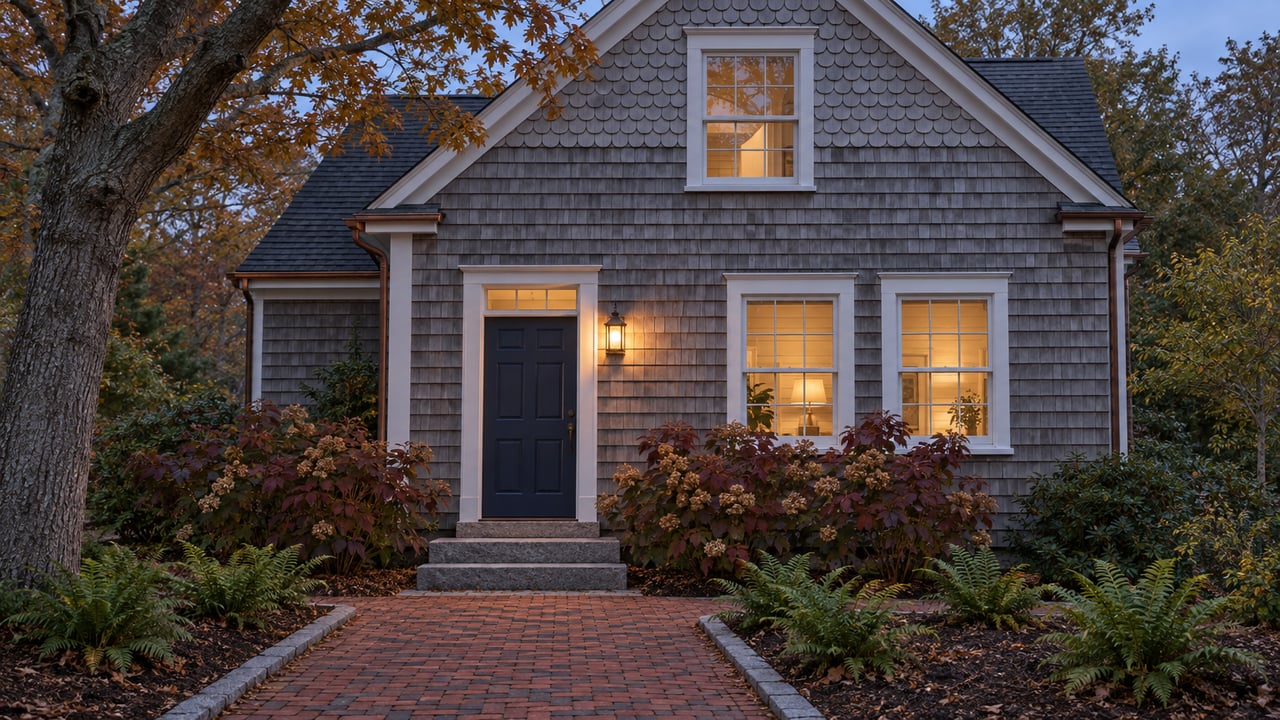
A cottage often captures the Falmouth lifestyle people picture first. Smaller scale, beach proximity, and simpler living can make a cottage feel like an easy summer retreat and a natural fit for a town with a strong seasonal rhythm.
In many cases, cottage buyers are not chasing square footage. They are looking for a home base near the water, a place to gather after the beach, or a manageable seasonal property with charm and character.
Practical tradeoffs to consider
In Falmouth, a cottage is usually about lifestyle first, but you still need to think through the details. Winterization, storage, parking, and off-season use can all affect how practical the property feels over time.
Coastal exposure is another key issue. Falmouth’s coastal planning materials highlight sea level rise, storm surge, flooding, and erosion as shoreline concerns. If you are buying a beach-area cottage, it is wise to look closely at exposure, insurance, and long-term maintenance.
Rental plans need extra homework
Some buyers hope a cottage can help offset ownership costs through rentals. If that is part of your plan, make sure you verify local rules before relying on income projections.
Falmouth created a Short-Term Rental Advisory Committee in 2025, and its January 2026 report sent a proposed short-term rental bylaw to the Select Board for submission to spring 2026 Town Meeting. Because the local process is evolving, buyers should confirm the current town process and any property-specific authorization at the time of purchase.
Cape-style homes in Falmouth
What defines a Cape
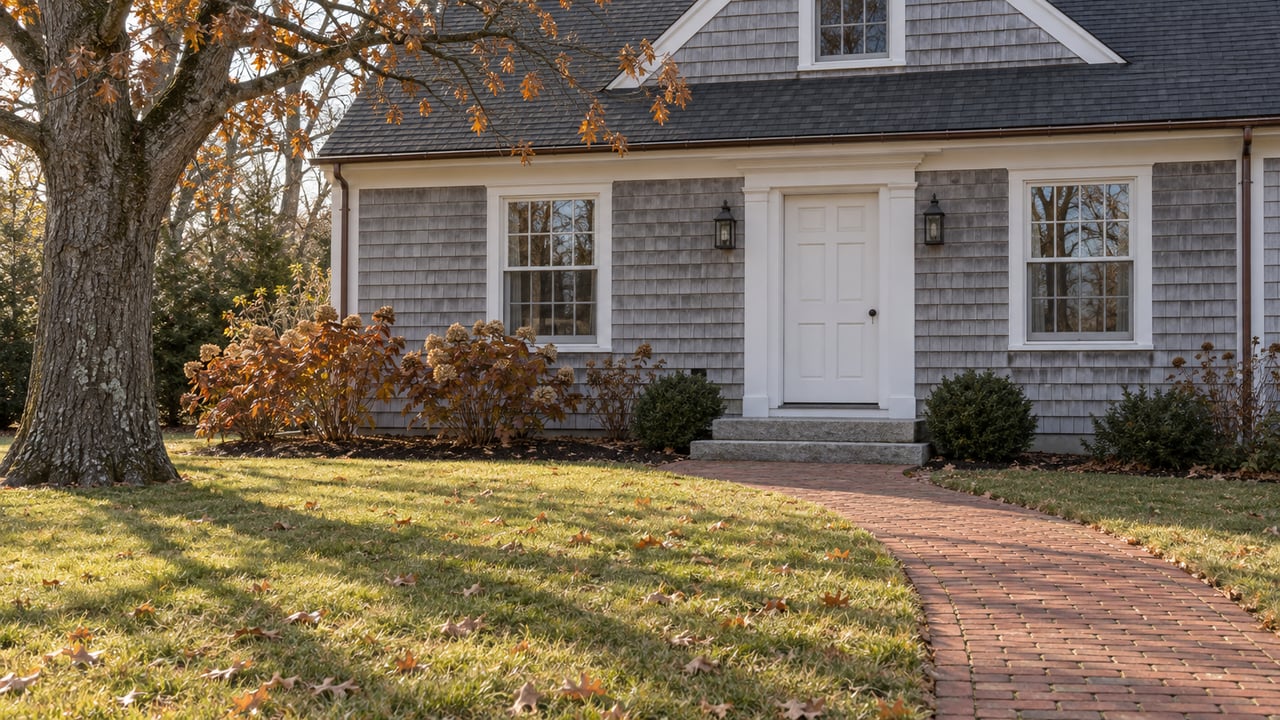
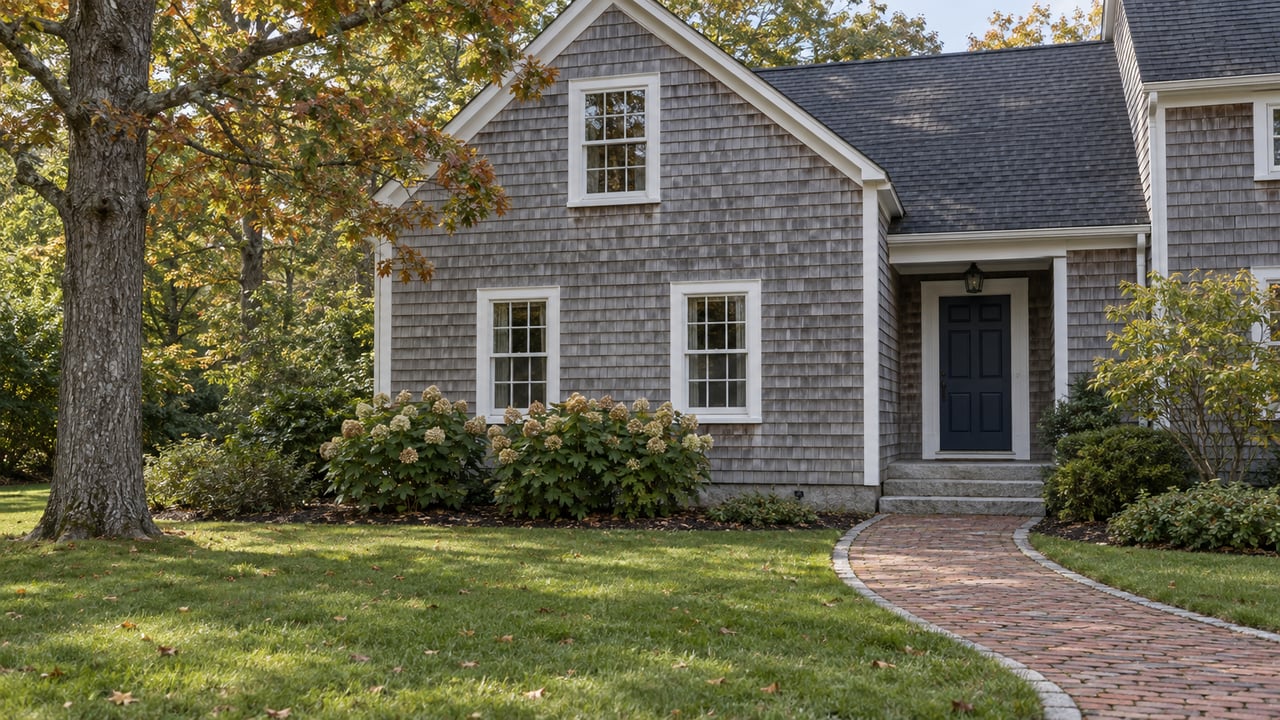
The classic Cape Cod style is typically a simple, symmetrical, one-and-one-half-story home with a side-gable roof and center entrance. In Falmouth, Cape-style houses often appeal to buyers who want a detached home with traditional character, but without the scale of a larger colonial or contemporary waterfront property.
For many people, a Cape lands in the middle ground. You get privacy and independence, but often in a smaller, more approachable format than a large single-family house.
Why Capes appeal to year-round buyers
A Cape-style home can work well for year-round living, downsizing, or buyers who want a more traditional village feel. Because Falmouth’s housing stock includes many homes built from 1950 to 1999, plus a meaningful share from earlier decades, this style often lines up with what is already on the ground here.
That can be a real advantage if you want a home that feels rooted in place. At the same time, it means updates are often part of the conversation.
What to watch for in older homes
Older Cape-style homes may need improvements to mechanical systems, insulation, windows, or interior layout. Even when a home has been well cared for, it is smart to expect questions about maintenance and modernization.
Historic district review can also affect future plans. Falmouth identifies historic districts in Davisville, Falmouth Center, North Falmouth, Quissett, Waquoit, West Falmouth, and Woods Hole. If a property is in one of those districts, changes or demolition proposals may require a certificate of appropriateness before permits can be issued.
Larger single-family homes
When more space makes sense
If you need room for guests, hobbies, work-from-home space, or multigenerational living, a larger single-family home may be the best fit. Detached homes already dominate Falmouth’s housing stock, but truly large-lot properties are limited, with only about 3% of homes on large or extra-large lots combined.
That makes bigger homes with more yard space a distinct option in the local market. For some buyers, the added flexibility is worth it.
The real cost of more house
More space usually means more upkeep. Landscaping, roofing, heating and cooling, and general maintenance all tend to increase as the home gets larger.
If the property is near the shoreline, those responsibilities can be even more important. Falmouth’s coastal-resilience planning points to sea level rise, storm surge, flooding, and erosion across shoreline areas, so buyers should pay close attention to flood exposure, insurance, and long-term maintenance when considering waterfront or near-water homes.
Falmouth issues buyers should not overlook
Wastewater setup
Wastewater service is a major local variable. Falmouth operates the Main Wastewater System and the New Silver Beach Wastewater System, and the Main system serves only certain parts of town, including portions of Falmouth Beach, Main Street and Davis Straits, Woods Hole, and the Little Pond sewer service area.
Before you buy, confirm whether the property is on town sewer or another wastewater setup. That detail can affect maintenance expectations and future costs.
Beach access and seasonal logistics
Beach convenience is part of the appeal for many Falmouth buyers, but it comes with logistics. The town maintains and staffs 10 public beaches and uses resident and non-resident beach stickers, along with seasonal rules for hours, parking gates, and beach operations.
If you are buying a condo, cottage, or waterfront home as a summer base, those details matter. They can shape how easily you use the property during peak season.
Rental permits and condo rules
If rental income is part of your ownership strategy, verify the rules early. Falmouth’s Health Department enforces Massachusetts housing regulations and uses PermitEyes for rental permits, and condo communities may have their own rental restrictions as well.
The key point is simple: do not assume a property can be rented the way you want just because the location seems ideal for it. Confirm the town process and the property-specific rules before you count on flexibility.
A simple way to choose
If you are weighing options, this quick framework can help:
- Choose a condo if you want lower exterior maintenance and an easier lock-and-leave setup.
- Choose a cottage if your priority is seasonal simplicity, beach access, and a smaller footprint.
- Choose a Cape if you want classic detached living with traditional character and manageable scale.
- Choose a larger single-family home if space, privacy, and flexibility matter more than easy upkeep.
In Falmouth, the right choice often comes down to one core tradeoff: upkeep versus space. Once you know where you stand on that question, your path usually becomes much clearer.
Buying in Falmouth is also about reading the fine print of the location itself. Shoreline exposure, wastewater service, historic district review, condo documents, and rental rules can all matter just as much as the home’s style or size.
That is where local perspective makes a difference. With village-level knowledge, long-standing community roots, and hands-on guidance for both year-round and second-home buyers, Ermine Lovell Real Estate can help you compare your options and find the Falmouth home that fits the way you want to live.
FAQs
What is the best type of home for year-round living in Falmouth?
- A Cape-style or other single-family home often works well for year-round living if you want detached space, storage, and flexibility, but the right fit depends on your maintenance tolerance, budget, and location priorities.
What should condo buyers review before buying in Falmouth?
- Condo buyers in Falmouth should review the master deed, bylaws, budget, reserves, meeting minutes, pet rules, parking rules, rental restrictions, and any planned capital projects before committing.
What should cottage buyers know about coastal risk in Falmouth?
- Cottage buyers in Falmouth should pay close attention to sea level rise, storm surge, flooding, erosion, insurance needs, and the practical issues of winterization, storage, and parking.
What should buyers know about historic districts in Falmouth?
- Buyers considering changes to a home in Falmouth should verify whether the property is in one of the town’s historic districts, because certain exterior changes or demolition proposals may require local approval before permits are issued.
What should buyers ask about wastewater service in Falmouth?
- Buyers should ask whether a Falmouth property is connected to town sewer or uses another wastewater setup, since that can affect maintenance responsibilities and future costs.
Can buyers count on rental income from a Falmouth property?
- Buyers should not assume rental income is allowed without checking current town permitting requirements and any condo or property-specific restrictions, especially because local short-term rental policy is evolving.