Thinking about buying a home in Woods Hole that you can enjoy yourself and rent out when you are away? It is an appealing idea, and for good reason. Woods Hole combines village charm, ferry access, and a steady flow of summer visitors, but owning a dual-use home here also comes with real coastal, regulatory, and maintenance considerations. If you are weighing lifestyle and income at the same time, this guide will help you think through what matters most. Let’s dive in.
Why Woods Hole Appeals to Dual-Use Buyers
Woods Hole is part of the Town of Falmouth and is known as a historic seaside village with a strong marine-science presence. Town and institutional sources point to major organizations here, including NOAA Fisheries, the Marine Biological Laboratory, and Woods Hole Oceanographic Institution. That mix gives the village a distinct identity that feels both coastal and active.
For many buyers, the appeal is not just the setting. Woods Hole also has a built-in stream of seasonal activity tied to ferry traffic, visitors, shoppers, and the scientific community. The Steamship Authority provides year-round passenger and vehicle service to Vineyard Haven and seasonal service to Oak Bluffs, which helps keep Woods Hole on the map for travelers throughout much of the year.
Seasonal Rental Demand Is Real
If your goal is to offset ownership costs, Woods Hole benefits from a summer-focused rental calendar. Summer vehicle reservations for the ferry often open months ahead and are harder to secure, which reflects the strength of seasonal travel demand in the area. Broader Cape Cod housing data also reinforces how common seasonal use is across the region.
Massachusetts reports that about 36% of Barnstable County housing units are seasonal, recreational, or occasional use. The state also says roughly 10% of homes in the region were listed on the short-term rental registry and actively rented. In practical terms, that suggests the strongest rental performance in Woods Hole is likely to be in summer and the shoulder seasons, not evenly spread across the full year.
What That Means for Your Planning
A Woods Hole home usually works best as a dual-use property when you want meaningful personal time in the home first and rental income second. You may be able to generate solid seasonal revenue, but you should not assume every month will perform the same way. Off-season periods may be better for your own use, longer stays, or simply a lighter rental schedule.
That is an important mindset shift. A successful purchase here is often less about chasing maximum occupancy and more about buying a home that fits your life while still producing income during peak demand periods.
The Most Practical Property Type
Falmouth’s housing profile shows a market that is still dominated by single-family homes. Town data lists 89.4% of residential properties as single-family detached, compared with a much smaller share of condominiums and multiple-house parcels. That housing mix matters when you are deciding what kind of dual-use property is most realistic in Woods Hole.
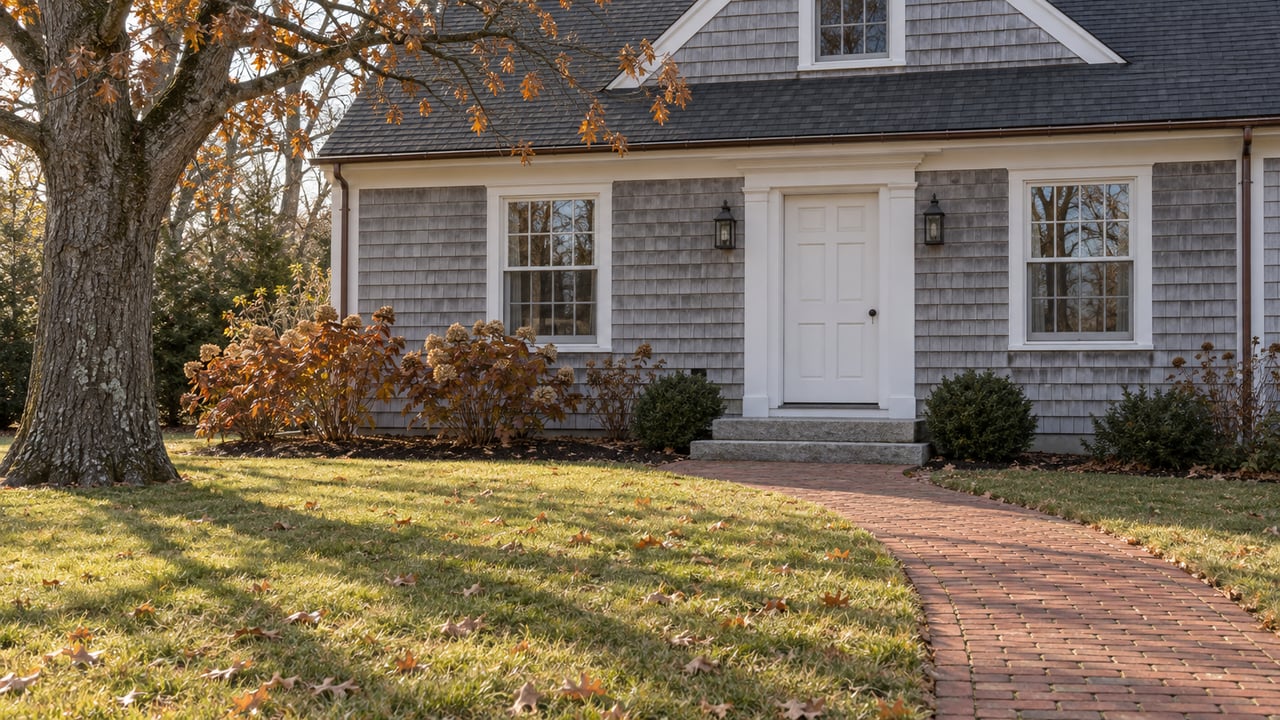
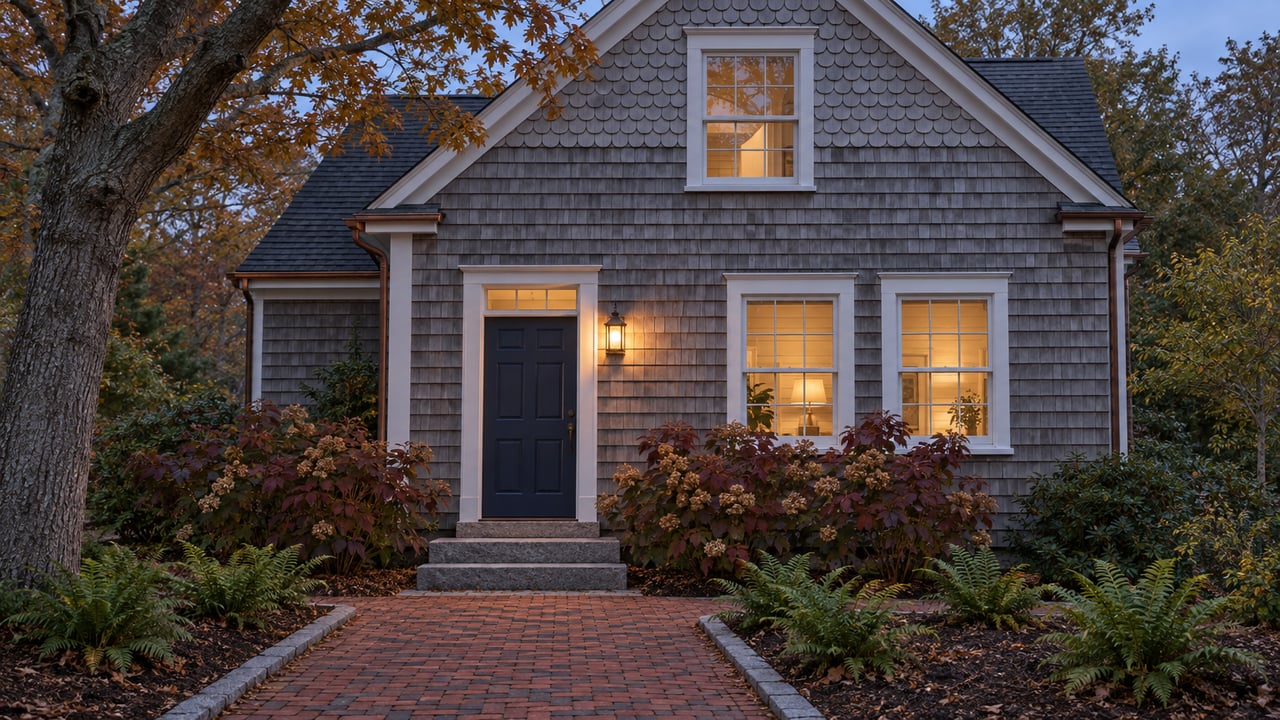
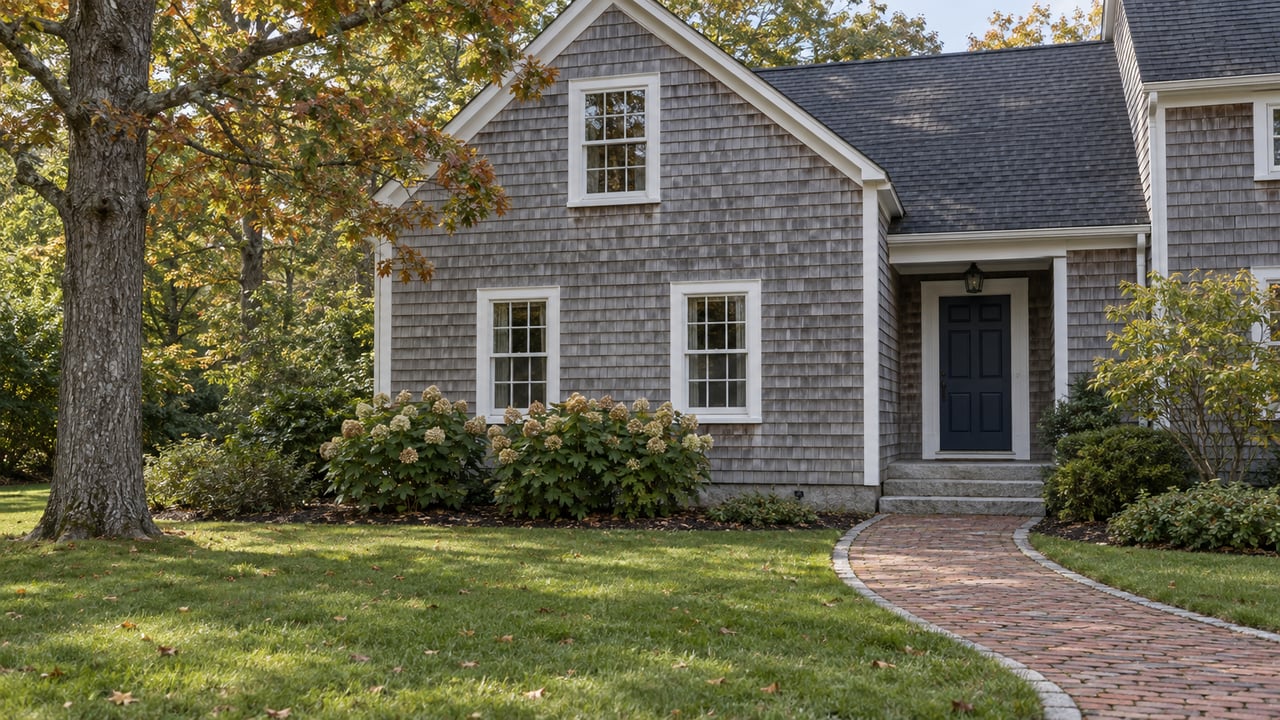
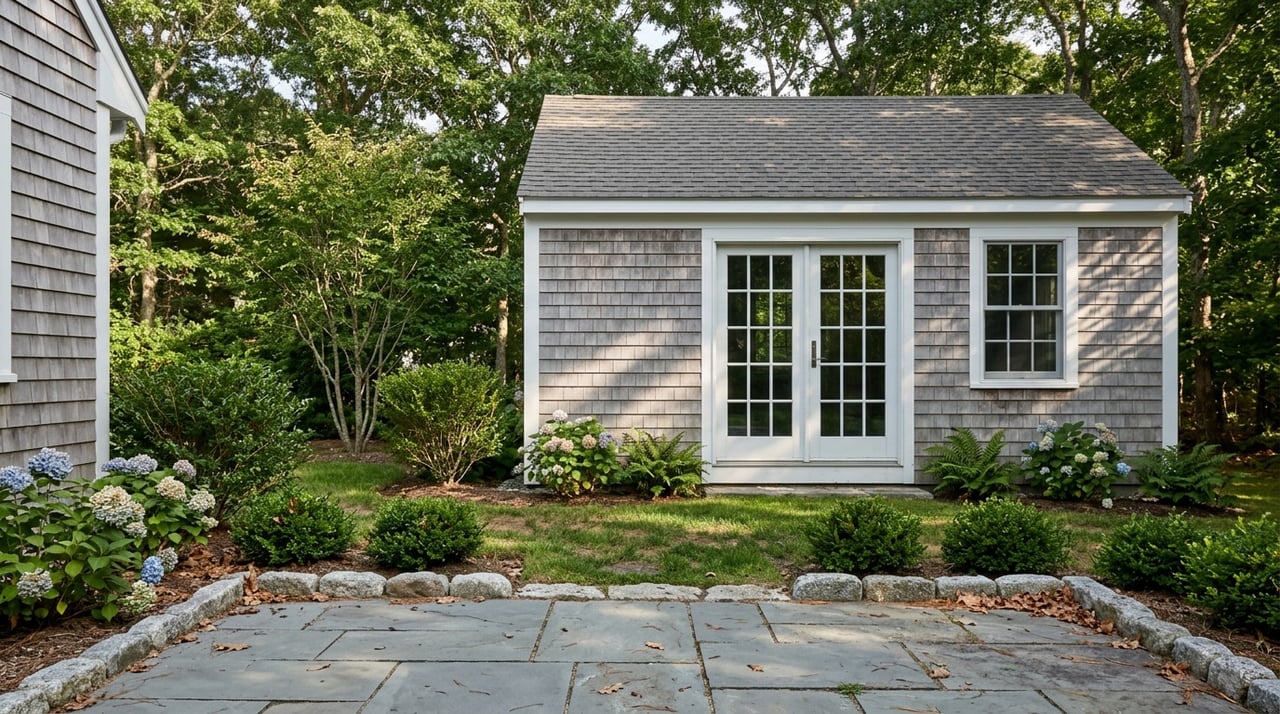
In many cases, a single-family home or older village house on a manageable lot is the most practical fit. That lines up with Woods Hole’s low-scale village form and the broader town-wide housing mix. If you are looking for a property that is easier to enjoy personally while also functioning as a rental, this type of home often offers the clearest path.
Why Simplicity Can Be a Strength
A manageable home is often easier to operate, maintain, and turn over between guests and personal stays. It can also be easier to budget for over time, especially in a coastal setting where upkeep is a real part of ownership. For many second-home buyers, a well-located village property can strike the right balance between charm, usability, and operational control.
Historic District Rules Matter
Woods Hole’s historic character is part of what makes it special, but it can also affect what you can change after you buy. In a historic district, changes or demolition require a certificate of appropriateness from the Historical Commission. That means future renovation plans may involve an added review process.
This does not mean you should avoid older homes. It does mean you should look at any planned exterior work, additions, or major alterations with open eyes before you purchase. If part of your strategy is to update a home quickly for rental use, the local review process should be part of your timeline and budget thinking from the start.
Understand the Tax Layers
Short-term rental income can look attractive on paper, but Woods Hole owners need to account for multiple layers of tax and fees. Massachusetts applies the room-occupancy excise to rentals of 31 days or less. Mass.gov says cities and towns may also charge a local room occupancy excise of up to 6%, and communities that adopt it may vote to charge a community impact fee of up to 3% on certain short-term rentals.
Falmouth’s current posted breakdown includes 5.7% to the state, 6% to Falmouth through the state, 2.75% to the Cape Cod Water Quality Fund, and a 3% community impact fee for professionally managed units. The state also notes that a short-term rental may be considered professionally managed even if no intermediary is involved. For owners, the takeaway is simple: gross rent and net income are not the same thing.
Underwrite Conservatively
Before you buy, build your numbers using realistic occupancy assumptions and the full tax picture. It is smart to model not only strong summer weeks, but also softer periods and operating costs. A home that still makes sense under conservative assumptions is usually a healthier long-term decision.
Local Rules Are Still Evolving
One of the biggest things to keep in mind is that Falmouth’s short-term rental framework is still changing. As of the April 6, 2026 annual town meeting warrant, the town was considering a proposed bylaw that would require Department of Revenue registration, limit each owner to three licenses, allow inspections, and take effect on January 1, 2027 if adopted.
Because that language was proposed rather than settled background law, you should verify the current local rules before you rely on rental income in your purchase decision. In a market like Woods Hole, this kind of due diligence is not optional. It is part of buying responsibly.
Coastal Ownership Requires Ongoing Attention
Woods Hole is beautiful, but it is also exposed to coastal risks that should factor into your ownership plan. Falmouth’s coastal resilience materials say the town has 68 miles of shoreline and that Woods Hole and other coastal areas face sea-level rise, storm surge, flooding, and erosion. The Woods Hole tide gauge has recorded about 1 foot of sea-level rise over the last century.
For a homeowner, that means maintenance is not just about appearances. It is about protecting the property and preparing for weather, water, and wear over time. A home that rents to guests also needs dependable systems and quick response when issues come up.
Budget Like an Operator
A dual-use property should be treated less like a passive second home and more like a small hospitality asset. Turnover cleaning, routine inspections, winterization, and vendor coordination all become part of the ownership picture. That is especially true in a coastal village where weather and infrastructure conditions can create added wear.
Town materials also note that much of the Woods Hole sewer network dates back to the late 1940s and early 1950s and required lining work to reduce infiltration. While that does not define any individual property, it reinforces the broader point that in an older coastal village, systems and upkeep deserve close attention.
What a Strong Woods Hole Purchase Looks Like
The best dual-use purchases in Woods Hole are usually the ones that match your lifestyle first and your income goals second. You will likely be happiest if you want to spend real time in the home, are comfortable with a summer-heavy rental pattern, and understand that historic review, taxes, and local oversight are part of the package.
That does not make Woods Hole less appealing. In many ways, it makes success here more predictable. When you buy with a clear plan, realistic numbers, and a strong understanding of village conditions, a Woods Hole home can serve as both a personal retreat and a thoughtfully managed rental property.
How Local Guidance Helps
Because Woods Hole is not a one-size-fits-all market, local knowledge matters. Village layout, historic constraints, seasonal patterns, and property condition can all shape whether a home is a smart fit for your goals. Buyers who live elsewhere often benefit from hands-on help with inspections, timing, property preparation, and rental planning.
That is where a boutique, local team can make a real difference. If you are considering a Woods Hole purchase for personal use and seasonal income, working with professionals who understand both residential sales and rental management can help you evaluate opportunities with more clarity.
If you are exploring whether a Woods Hole home could support both your lifestyle and your rental goals, Ermine Lovell Real Estate can help you assess the village, the property, and the ownership realities with local insight and hands-on guidance.
FAQs
Is Woods Hole a good place to own a home you also rent out?
- Woods Hole can be a strong fit if you want meaningful personal use, expect the strongest rental demand in summer and shoulder seasons, and are comfortable with coastal maintenance and local oversight.
What type of property works best for dual use in Woods Hole?
- In many cases, a single-family home or older village house on a manageable lot is the most practical fit, based on Falmouth’s housing mix and Woods Hole’s village scale.
Are there short-term rental taxes in Falmouth?
- Yes. For rentals of 31 days or less, owners may need to account for the state room-occupancy excise, Falmouth’s local excise, the Cape Cod Water Quality Fund charge, and in some cases a community impact fee.
Are Woods Hole short-term rental rules changing?
- Falmouth was considering a proposed bylaw in the April 6, 2026 annual town meeting warrant, so buyers should verify the current local rules before depending on rental income.
Do historic district rules affect Woods Hole homes?
- Yes. In a historic district, certain changes or demolition require a certificate of appropriateness from the Historical Commission.
What coastal risks should Woods Hole buyers consider?
- Town materials identify sea-level rise, storm surge, flooding, and erosion as important local risks, so buyers should budget for ongoing maintenance and property oversight.