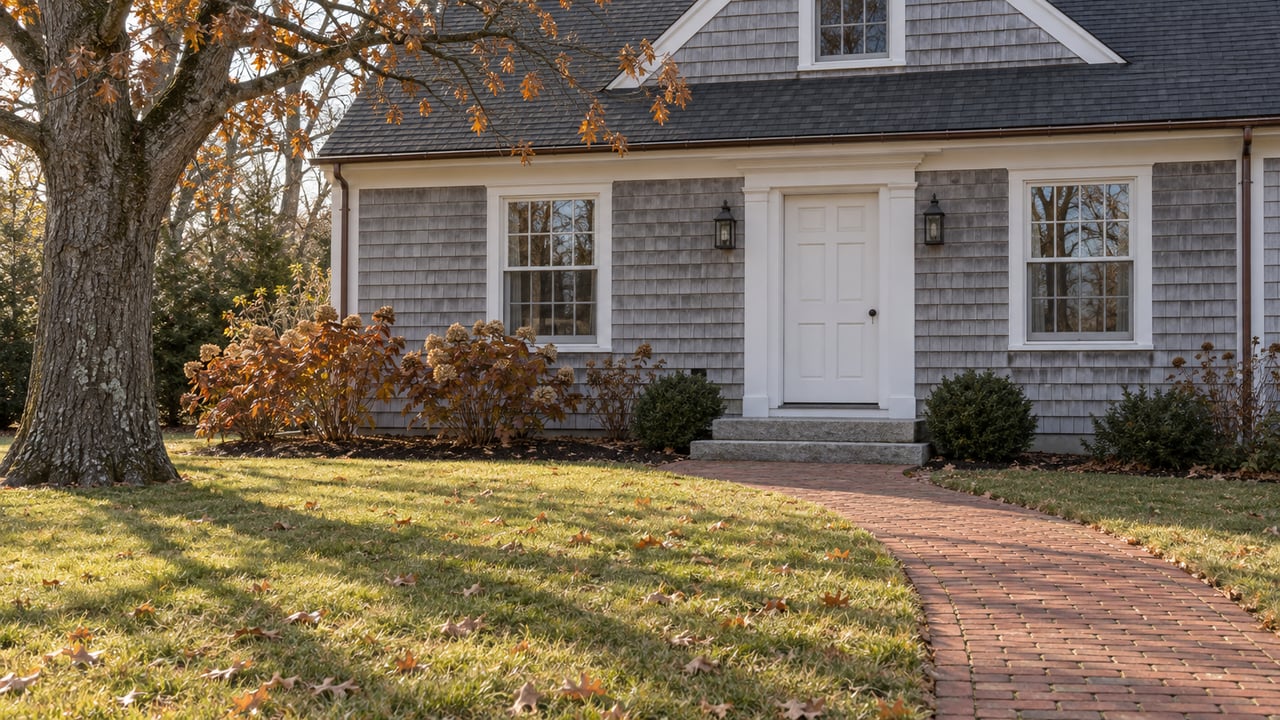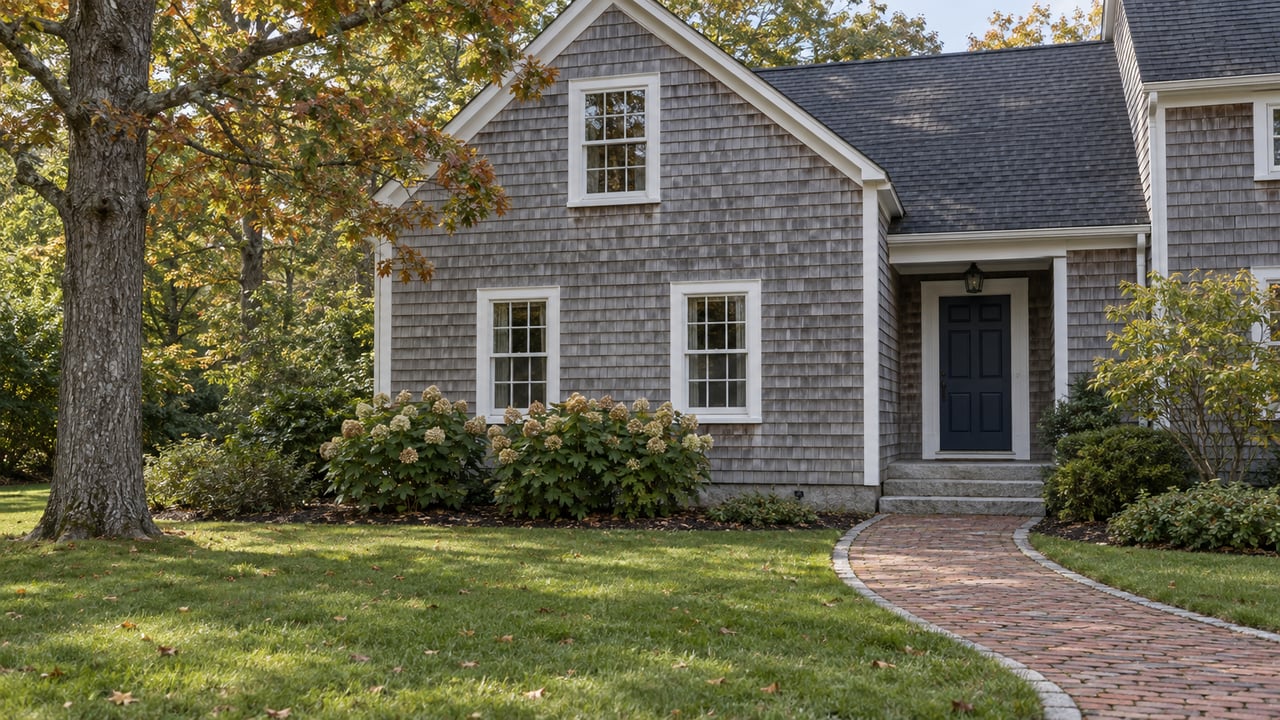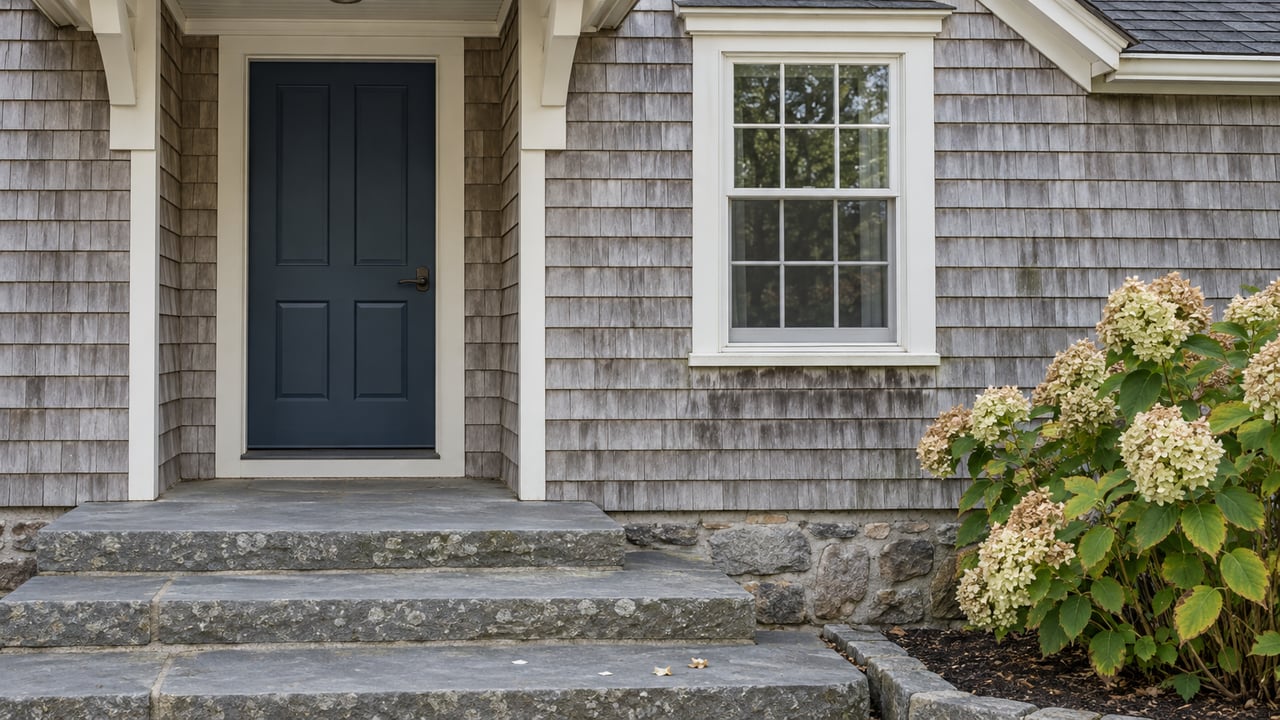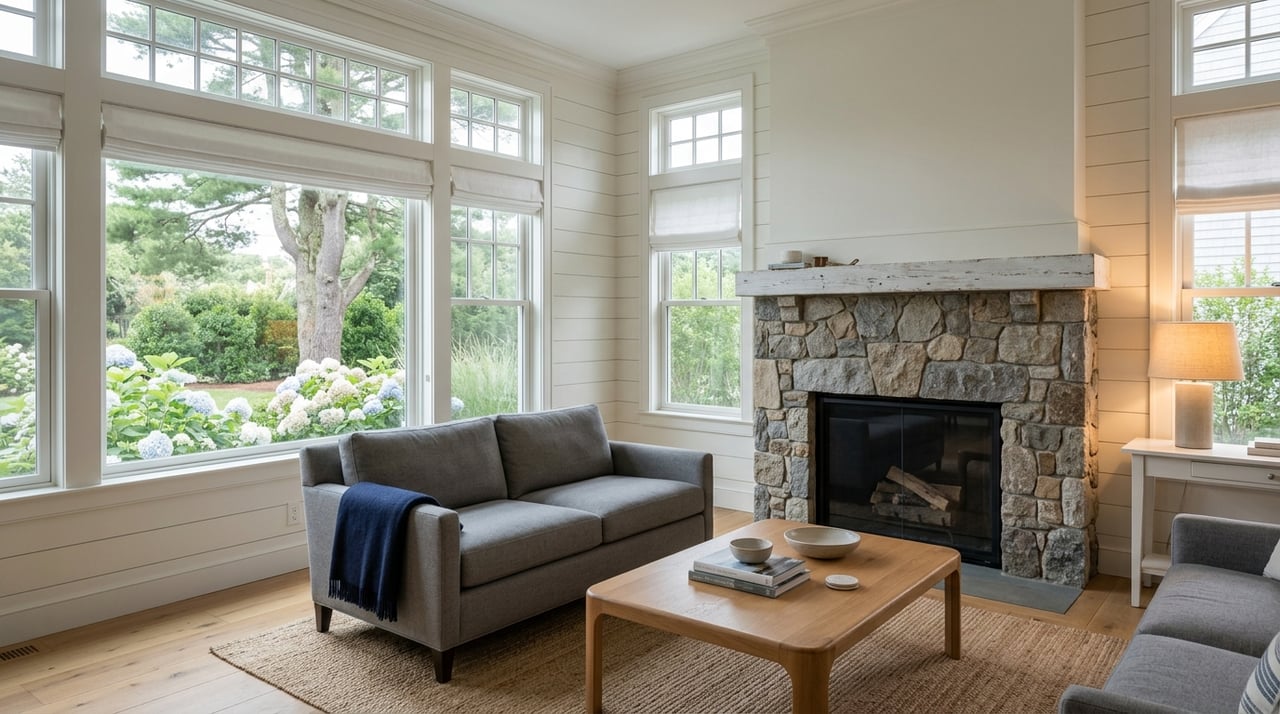
If you are trying to buy on the Upper Cape from out of town, you are not alone, and you are not imagining the extra complexity. Cape Cod is a seasonal market, and Massachusetts estimates that 36% of homes on Cape Cod are seasonal, compared with just 4% statewide. That can shape everything from listing activity to showing schedules and timing. The good news is that with the right local guidance and a clear process, you can buy with confidence from afar. Let’s dive in.
Why remote buying feels different here
The Upper Cape includes Bourne, Sandwich, Falmouth, and Mashpee, and each town has a slightly different market profile. According to the Cape Cod Commission housing profiles, recent median sale prices and seasonal-home shares vary meaningfully across these communities.
In 2023, median home sale prices were $649,000 in Bourne, $660,000 in Sandwich, $750,000 in Falmouth, and $650,000 in Mashpee. Seasonal-home shares also differ, with about 17% in Bourne, 13% in Sandwich, and roughly 30% in both Falmouth and Mashpee, based on the relevant Bourne, Sandwich, Falmouth, and Mashpee housing profiles.
For you as an out-of-town buyer, that seasonality can affect how quickly homes move, when owners are in residence, and how easy it is to coordinate access for tours, inspections, and follow-up visits. It also means that buying here often works best when you build a plan before you start making offers.
Start with town-by-town basics
When you are buying remotely, it helps to compare towns on more than just price. You should also look at ongoing carrying costs, especially property taxes.
The latest Cape Cod Commission profiles show FY24 residential tax rates of $8.02 per $1,000 in Bourne, $10.80 in Sandwich, and $6.28 in both Falmouth and Mashpee. Those figures will not tell you everything about your monthly cost, but they are a useful early filter when you are narrowing your search.
Here is a simple snapshot:
| Town | Median Sale Price (2023) | Seasonal Homes | FY24 Residential Tax Rate |
|---|---|---|---|
| Bourne | $649,000 | 17% | $8.02 per $1,000 |
| Sandwich | $660,000 | 13% | $10.80 per $1,000 |
| Falmouth | $750,000 | 30% | $6.28 per $1,000 |
| Mashpee | $650,000 | 30% | $6.28 per $1,000 |
If your goal is a second home, year-round residence, or a property you may also rent at times, these differences matter. Looking at town data early can help you avoid chasing listings that do not fit your long-term budget or ownership plan.
Use public records before you tour
One of the smartest things you can do from out of town is review a property before you ever set foot in it. The Massachusetts Interactive Property Map allows you to search by address, zoom to a parcel, and view property information such as ownership and land valuation.
Massachusetts also notes that owners can access the deed and the property record card used to generate the tax bill online. If you are trying to compare a few homes quickly, this can help you verify basic details and flag questions before you schedule a live tour.
Property maps are useful, but they are not the final word on boundaries. The state notes that the authoritative record of property boundaries remains at the registries of deeds, so if lot lines or access questions matter to you, those records deserve careful review.
Make virtual tours work harder
A polished photo set is never enough when you are buying from another city or state. You need a tour process that shows what online listing photos often miss.
Ask for live video, not just recorded clips. A live walkthrough can help you evaluate the exterior condition, rooflines, basement or crawlspace, mechanical systems, and site conditions in real time. On the Upper Cape, that matters because some of the biggest ownership questions are tied to moisture, weather exposure, and how a property sits on the land.
This is especially important near the shore, marshes, harbors, or lower-lying roads. The Cape Cod Commission notes that Cape Cod is vulnerable to erosion, coastal storm flooding, and sea-level rise, and that nearly 20% of Cape Cod land is in the flood hazard area. The Commission also notes that some road segments can flood during extreme high tides and storms.
Review flood risk early
Flood review should happen at the start of your search, not after your offer is accepted. FEMA says the Flood Map Service Center is the official public source for flood hazard information, and you can search by address.
That early review matters for both risk and cost. FEMA also notes that most homeowners insurance does not cover flood damage, so a property’s flood exposure can affect your ownership budget in ways that are easy to miss if you focus only on the purchase price.
If a home is near water or in an area with known coastal exposure, build flood questions into your first round of diligence. That way, you can decide quickly whether the location fits your comfort level and intended use.
Watch for lead paint and septic timing
Older homes are part of the appeal of many Upper Cape villages, but older housing also comes with specific rules. If a home was built before 1978, Massachusetts and federal law require a property-transfer lead paint notification before a purchase-and-sale agreement is signed, along with any known lead reports and disclosures.
The state also says that if a child under 6 will live in the home, the new owner must have the property deleaded or placed under interim control within 90 days of taking title. If you are buying remotely for future family use, this is something to understand early, not after closing is on the calendar.
If the home has a septic system, timing matters there too. Under Massachusetts Title 5 guidance for septic systems, inspections connected to a sale are generally valid for two years, or three years if the system is pumped annually and records are available. If weather prevents the inspection, it may be completed up to six months after closing with written notice to the buyer.
For an out-of-town buyer, these timelines are important because they affect negotiation strategy, scheduling, and peace of mind. A remote purchase tends to go more smoothly when disclosure and inspection questions are organized early.
Protect your inspection window
Inspection rules in Massachusetts may be more buyer-protective than you expect. Mass.gov states that sellers and agents may not condition acceptance of an offer on the buyer waiving a home inspection, and that this rule applies to sales after October 15, 2025. The state also says inspections must be completed by a licensed home inspector and documented in writing.
Buyers can still choose not to conduct an inspection, but the state makes clear that this choice cannot be driven by seller or agent pressure. For you as a remote buyer, the practical takeaway is simple: if you are considering a sight-unseen or lightly seen property, preserve a real inspection period whenever possible.
That window gives you time to confirm the condition of the house with professionals on the ground. In a coastal market with seasonal occupancy patterns, that is not just a formality. It is part of buying carefully.
Plan for closing logistics in advance
Many out-of-town buyers assume the entire closing can be handled through remote online notarization. In Massachusetts, you should not make that assumption yet.
The Secretary of the Commonwealth says state law authorizes remote online notarization, but the training and notification form are not yet available, and notaries should not use online remote platforms at this time. The state’s deed indexing standards say the same.
That means your closing plan should be discussed early with your attorney, lender, and local real estate team. Remote buyers can still complete a transaction successfully, but smooth coordination matters, especially if travel or document timing is tight.
Think beyond the closing day
A remote purchase is not really finished when the deed records. It is finished when you have a workable ownership plan.
Massachusetts requires deeds to include the grantee’s mailing address and the property address, and registries continue to maintain public records. After closing, you can continue using the state property map and online assessor data to track ownership and tax information.
If you plan to rent the property, understand the rules before your first booking. Massachusetts says the room occupancy excise generally applies to rentals of 31 days or less, and the state recommends that operators register even if they usually rent for longer periods. The state also advises owners to check with local officials for town-specific details.
For many remote owners, a caretaker or property-management plan is just as important as the closing file. In a seasonal, coastal market, having trusted local support can help with routine checks, storm response, vendor access, and rental coordination.
A smarter way to buy remotely
Buying on the Upper Cape from out of town does not have to feel uncertain. It does, however, reward preparation, strong local representation, and careful review of the details that are hardest to evaluate from afar.
When you understand the town-by-town market, review public records early, ask better virtual-tour questions, and protect your inspection and closing process, you put yourself in a much stronger position. If you are ready for thoughtful, hands-on guidance from a local team with deep Upper Cape roots, connect with Ermine Lovell Real Estate to start your search.
FAQs
What makes buying on the Upper Cape different for out-of-town buyers?
- The Upper Cape sits within a seasonal market, and Massachusetts estimates that 36% of homes on Cape Cod are seasonal, which can affect listing activity, access, and transaction timing.
Which Upper Cape towns should remote buyers compare first?
- Bourne, Sandwich, Falmouth, and Mashpee are key Upper Cape towns to compare, especially for differences in median sale price, seasonal-home share, and residential tax rates.
How can remote buyers research a Cape Cod property before touring?
- You can use the Massachusetts Interactive Property Map, assessor data, deeds, and property record cards to verify parcel details, ownership information, and tax-related records.
Why should flood zones matter when buying on Cape Cod from out of town?
- FEMA flood maps can help you assess hazard exposure early, and FEMA notes that most homeowners insurance does not cover flood damage.
What should remote buyers know about septic systems on the Upper Cape?
- If a property has septic, Massachusetts Title 5 inspection timing matters because sale-related inspections are generally valid for two years, or three years with annual pumping records.
Can an out-of-town buyer waive a home inspection in Massachusetts?
- A buyer may still choose not to conduct an inspection, but Massachusetts says sellers and agents may not condition acceptance of an offer on waiving a home inspection for covered sales after October 15, 2025.
Can a Cape Cod home closing be handled fully online?
- Not necessarily, because Massachusetts says notaries should not use online remote notarization platforms at this time, so closing logistics should be planned early.
What should remote buyers know about renting an Upper Cape property after closing?
- Massachusetts says the room occupancy excise generally applies to rentals of 31 days or less, and owners should also check local town requirements before renting.