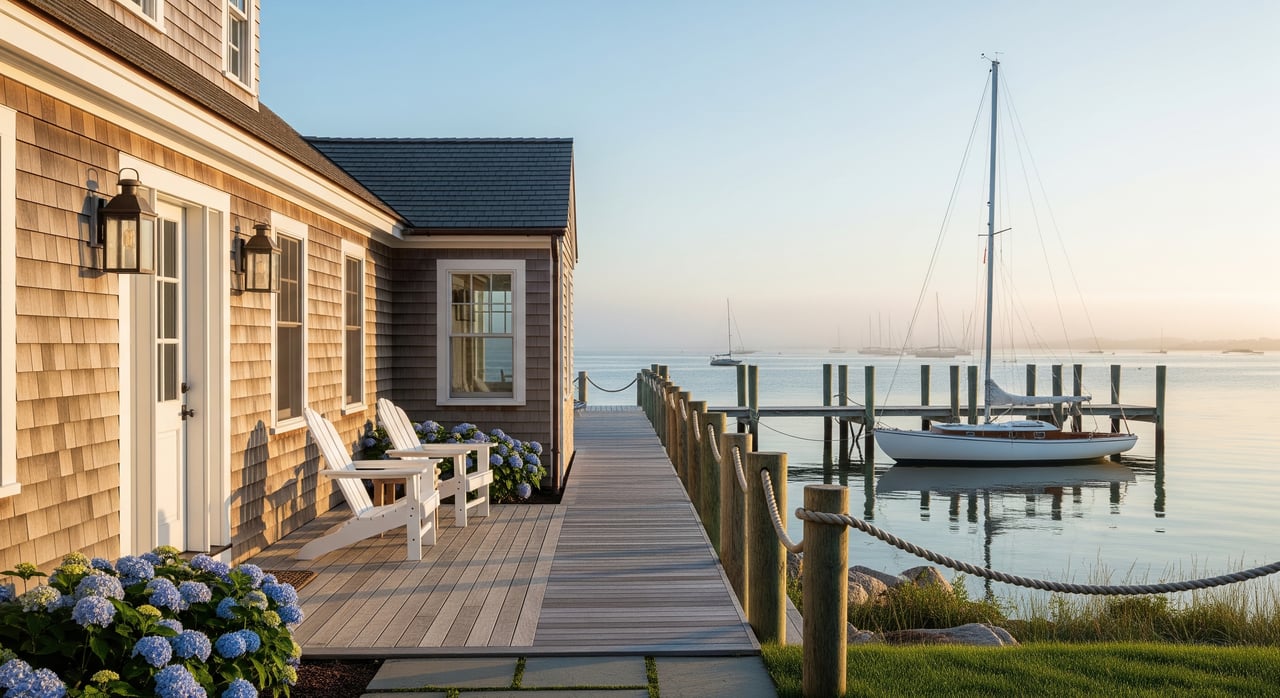
What if your morning coffee came with harbor views, seabirds, and the hum of ferry life? If you’re dreaming about a place where you can walk to the market, hop on a lecture after dinner, and kayak at sunset, Woods Hole might fit your daily rhythm. Here’s how everyday coastal living looks in this compact Cape Cod village, from errands and ferry logistics to beaches and buyer must‑knows. Let’s dive in.
Village life and walkability
Woods Hole is a small, tightly knit village within Falmouth on Cape Cod. The heart of town gathers around the harbor, the ferry terminal, and a short commercial strip. That creates a walkable village core where many residents handle daily needs on foot.
You’ll find cafés, small markets, a post office, library or community spaces, and a few restaurants within a short stroll of most in‑village homes. Sidewalks and narrow streets make walking and biking practical for short trips. Keep in mind that some sidewalks are hilly or uneven, and lighting can be limited at night, especially in winter.
Parking is tight in the center. Summer brings more visitors and more cars, so even quick errands can take planning. Many residents rely on private driveways, on‑street permits, or time their trips during quieter hours.
Seasonal rhythm: quiet winters, lively summers
Woods Hole supports year‑round life with core services and municipal operations. In summer, the village expands: extended business hours, more festivals and events, and a noticeable uptick in ferry traffic and foot traffic. If you enjoy a vibrant scene, summer energy can feel exciting. If you prefer quiet, you’ll appreciate the off‑season calm, when the village leans into its academic and research identity.
Expect a different pace by season. In winter and spring, you’ll recognize neighbors at the café and find easy parking. By July and August, it’s wise to build a few extra minutes into any plan that involves the ferry, grocery runs, or heading to the beach.
Science at your doorstep
Woods Hole is known worldwide for its concentration of marine and climate research. The Woods Hole Oceanographic Institution (WHOI), the Marine Biological Laboratory (MBL), NOAA facilities including the local science aquarium and fisheries center, the Woodwell Climate Research Center, and the Sea Education Association all shape daily life here.
What does that mean for you? A steady calendar of public lectures, open houses, film nights, and seasonal programs. A broad mix of neighbors who work in technical, scientific, and support roles. And a local economy that stays active beyond tourism, with marine services, boatyards, labs, and small businesses supporting research activity.
Culturally, it feels like a small village with a big intellectual pulse. Summer often adds concerts, museum exhibits at the Woods Hole Historical Museum, and community festivals in a modest, village‑scale way.
Getting around and ferry know‑how
Woods Hole is the mainland gateway to Martha’s Vineyard. Year‑round, the Steamship Authority runs vehicle and pedestrian ferries to Vineyard Haven. In peak months, private operators may add high‑speed passenger service. This makes day trips and island commutes possible, though summer demand is high.
If you plan to bring a car on the ferry during peak season, reserve well in advance. Many residents avoid driving to the terminal in summer when they can, relying on drop‑offs, shuttles, or walking from in‑village homes.
Road access runs through Route 28 and local streets to the rest of Falmouth and Cape Cod. Expect heavier traffic on weekends and holidays in summer. Commuting to Boston or Providence is a longer haul, so many year‑round residents work locally or remotely.
Biking works well for close‑to‑home errands and beach trips. Public transit options exist but are limited, so a personal car often fills the gap for off‑island groceries, medical appointments, and bigger shopping runs.
Harbor life, beaches, and the outdoors
Water is part of everyday life here. The shoreline mixes rocky points, pocket beaches, and sheltered coves. Nobska Point is a beloved scenic area, and the harbor, Eel Pond, and Great Harbor host small boats, kayaks, paddleboards, and casual sunset outings.
If you want a full beach day, you’re minutes by car from larger sandy options across Falmouth, including Surf Drive Beach, Falmouth Heights, and Menauhant. Families and casual swimmers will find easy options close to home.
Boating culture is strong. You’ll see research vessels alongside recreational boats and fishing charters. If you’re into shellfishing or recreational fishing, permits and seasonal rules apply. There are walking trails, coastal parks, and preserves nearby for birding and shoreline explorations year‑round. With the ferry next door, Martha’s Vineyard becomes a natural day trip for hiking, biking, and beaches across the sound.
Moorings in the harbor are managed locally and can require a wait. Owning a waterfront property does not automatically include a slip, so confirm details early if boating access is central to your goals.
Housing: styles and what to expect
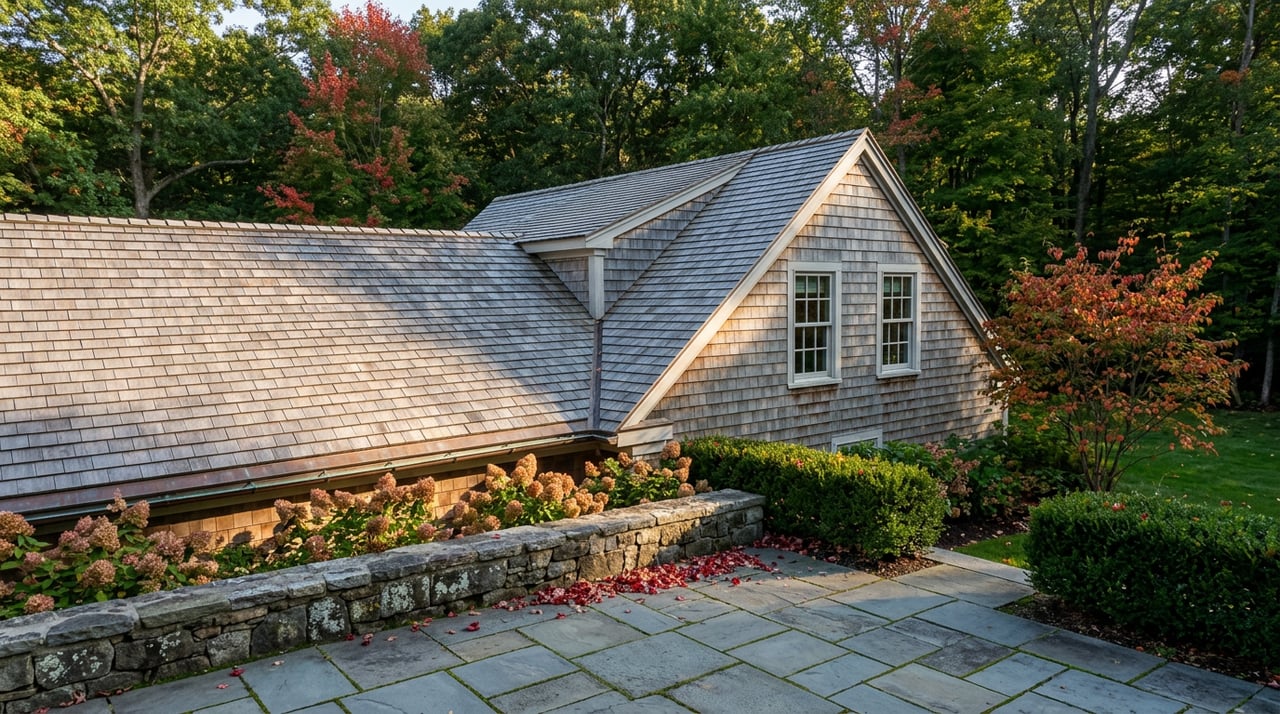
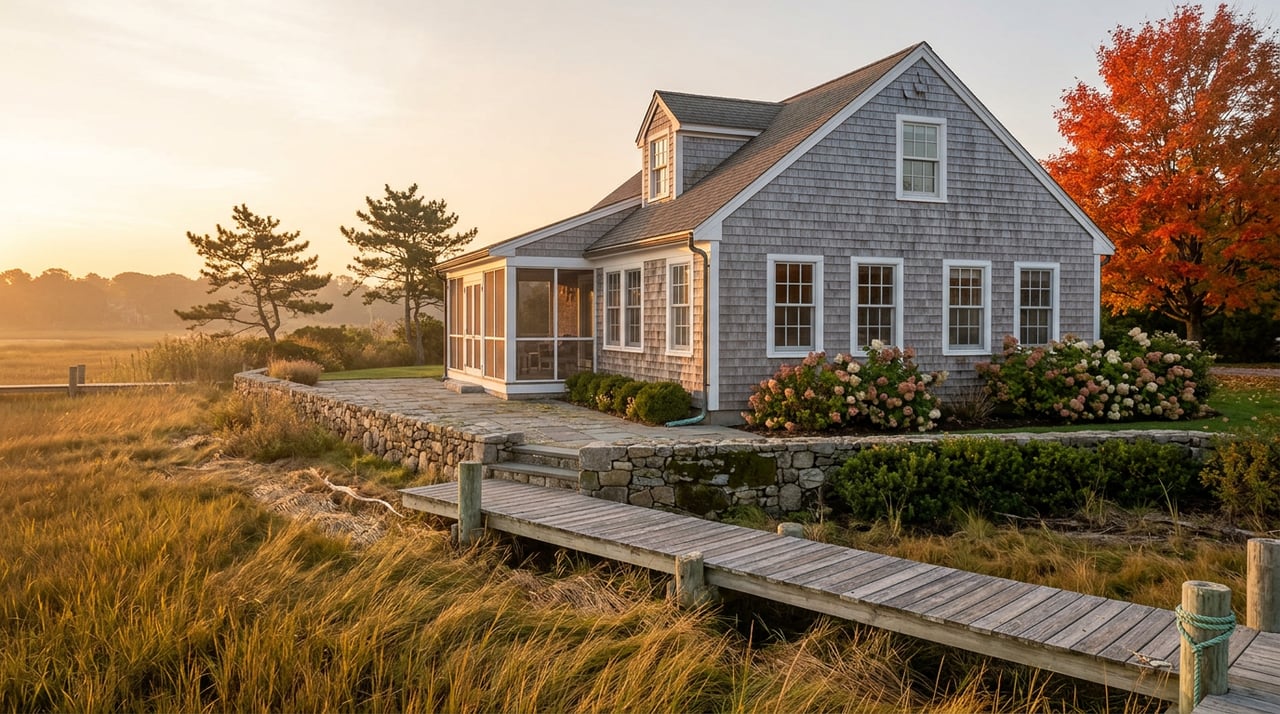
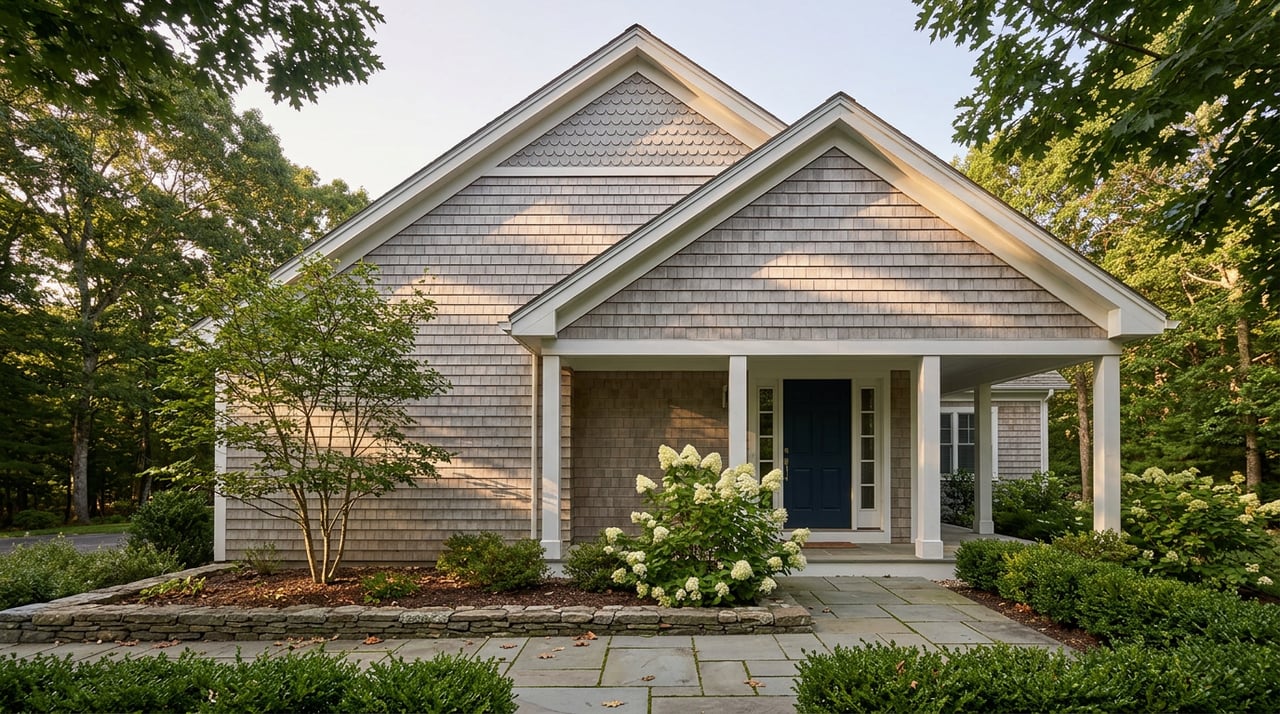
The housing stock leans historic and character‑rich. You’ll find small cottages, classic Cape Cod‑style homes, shingled seasonal houses, and a limited number of larger waterfront properties. There are also a few small condominium conversions and multi‑unit buildings.
Many homes are older and have seen thoughtful additions or renovations over time. New construction can be constrained by lot size, zoning, and coastal setbacks. The result is a village that looks and feels layered, with homes that tell a story.
Supply is limited and demand is high. Proximity to the water, the walkable core, and the research institutions all add to desirability. Competition intensifies for waterfront and near‑harbor locations. Some listings have been used as summer residences, so converting a seasonal cottage to year‑round living may involve upgrades in insulation, heating, and septic.
Practical buyer considerations
- Flood risk and coastal rules: Many near‑water properties fall within FEMA flood zones or local coastal setback areas. Plan to review flood maps, elevation and foundation types, and likely insurance needs early in your process.
- Septic and utilities: Title 5 septic standards, plus municipal water in some areas and private wells in others, are common. Septic capacity often affects expansion plans.
- Insurance and storm exposure: Nor’easters and the rare hurricane can influence coverage availability and cost. Clarify both homeowners and flood insurance at the start.
- Zoning and permitting: The Falmouth Conservation Commission and town departments oversee work near wetlands and shorelines. Project timing can hinge on permits for septic upgrades, additions, and any shoreline changes.
- Short‑term rentals: Woods Hole participates in a broader Cape seasonal rental market. If you are considering income use, verify Falmouth’s short‑term rental registration, licensing, local tax requirements, and any neighborhood rules.
- Accessibility and aging‑in‑place: Many older homes include stairs and compact layouts. If single‑floor living or accessible features matter, target homes that already fit or budget for renovations.
A day in Woods Hole
Picture a weekday in spring. You walk to a café for breakfast and cross the drawbridge to check the harbor. Mid‑morning, you ride a bike to a small beach for a quick walk. After lunch, you stop into a lecture hosted by a local research institution, then pick up groceries on foot. If friends are visiting, an afternoon ferry ride to Vineyard Haven makes for an easy adventure. Back home, you kayak at dusk in a protected cove, then head to a casual dinner spot within a few blocks.
On a summer Saturday, you plan around peak ferry times and parking. Maybe you time errands for early morning, reserve a beach spot for the afternoon, and enjoy a community concert in the evening. In winter, you’ll find quiet streets, familiar faces, and more evenings spent at talks, film nights, or tucked into a local pub.
Quick pre‑purchase checklist
Use this list to streamline your search and due diligence:
- Confirm the home’s seasonal vs year‑round readiness: insulation, heating, and construction.
- Obtain FEMA flood‑zone information and estimate flood insurance premiums.
- Verify septic (Title 5) status and any upgrades needed for planned renovations or occupancy changes.
- Check water service: municipal connection vs private well.
- Clarify parking: private driveway, on‑street permits, and any ferry‑related parking needs.
- Ask about mooring availability if boating access is a priority.
- Review short‑term rental rules, registration, licensing, and neighborhood restrictions if income use is a goal.
- Consider internet and cell coverage, plus utility resilience during storms.
- Consult Falmouth zoning and the Conservation Commission on setbacks and coastal permits for exterior work.
Is Woods Hole right for you?
If you value a walkable coastal village with an intellectual current and easy harbor access, Woods Hole delivers a rare everyday lifestyle. You will balance summer vibrancy with off‑season calm, plan around ferry schedules in peak months, and navigate coastal considerations when buying. In return, you get a place where science, sea, and small‑town life blend into your daily routine.
If you want help matching your lifestyle goals to the right Woods Hole home, talk with a local team that understands the village at a street‑by‑street level. Connect with Ermine Lovell Real Estate to start a thoughtful, well‑coordinated search.
FAQs
Is year‑round living in Woods Hole practical for families?
- Yes: core services operate year‑round, with larger grocery, medical, and school options available in greater Falmouth.
How does the ferry affect daily life for Woods Hole residents?
- The ferry offers reliable island access, but summer demand and parking require advance planning or alternative drop‑off strategies.
What parking challenges should Woods Hole homeowners expect?
- Village parking is limited, especially in summer, so private driveways, permits, and off‑peak errands are common solutions.
What should Woods Hole buyers know about flood zones and insurance?
- Many near‑shore properties fall into FEMA flood zones, so review maps early and factor elevation, foundation, and flood insurance into costs.
Are moorings or boat slips guaranteed with waterfront property in Woods Hole?
- No: moorings are locally managed with potential waitlists, and waterfront ownership does not automatically include a slip.
How do seasonal rhythms change daily life in Woods Hole?
- Summer brings expanded hours, events, and crowds, while fall through spring is quieter with a stronger academic and local feel.