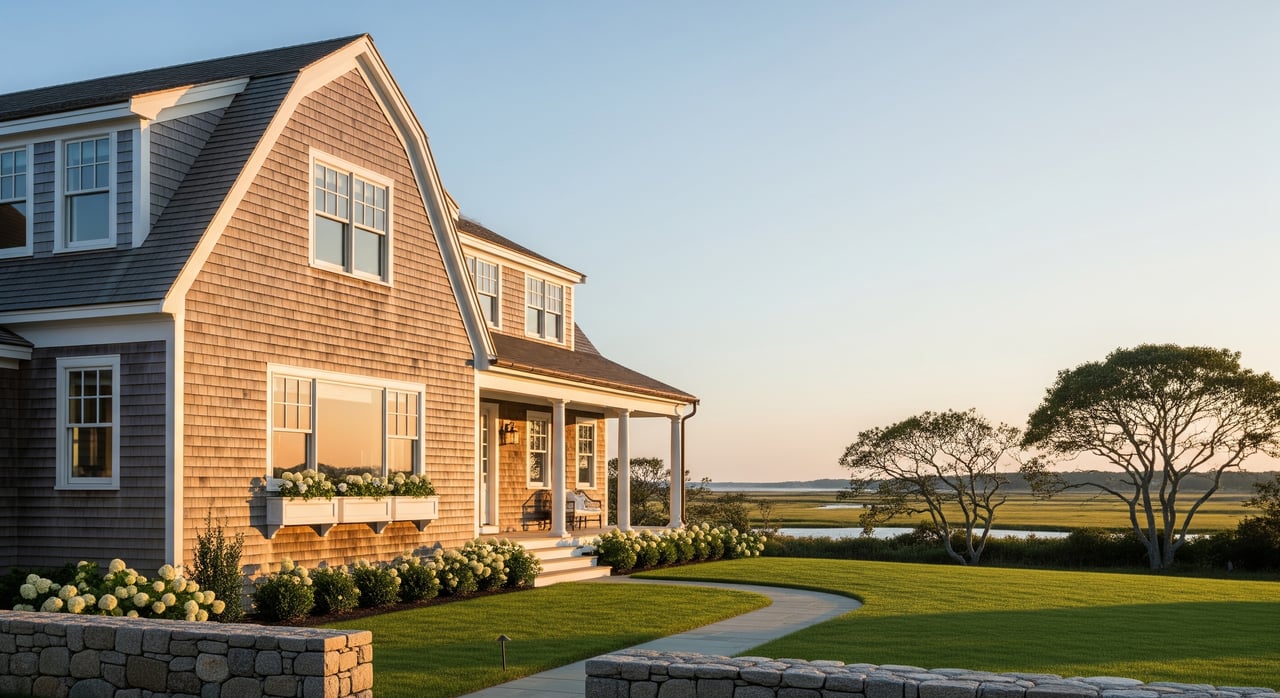
Wondering which home style fits you best in Marstons Mills? If you are exploring this Barnstable village, you will see everything from classic Capes to modern builds. It can feel hard to compare looks, layouts, and upkeep across styles. In this guide, you will learn how to spot each common home type, what living there feels like, and what to consider for maintenance and resale. Let’s dive in.
Marstons Mills at a glance
Marstons Mills sits on Cape Cod with a mix of inland ponds and small rivers. You will find older farmhouses, classic Cape Cod cottages, mid‑century ranches, and newer homes. Coastal weather brings salt air, wind, and snowy winters, so exterior materials matter.
Many properties use private septic systems rather than town sewer, so confirm sewer or septic for each address. Massachusetts Title 5 rules guide septic inspections and repairs. Flood risk can vary near ponds and low areas, so check FEMA flood zone status for any property near water. The Town of Barnstable also sets zoning and building permits, and some areas have historic‑preservation overlays that can affect additions or exterior changes.
Heating systems vary by era. Older homes may have oil or propane. Newer retrofits may use natural gas where available or electric heat pumps. Energy upgrades can make a big difference in year‑round comfort.
Cape homes: classic Cape Cod
How to spot it
A Cape is one to one‑and‑a‑half stories with a steep gabled roof and a mostly symmetrical front. You may see a central or paired chimneys. Dormers are common on expanded versions.
How it lives
Living areas sit on the main floor, with small, efficient rooms in older examples. Bedrooms may be in the upper half‑story. Many late 20th‑century Capes added rear ells or full dormers to create larger kitchens, baths, and full second‑floor space.
Materials and upkeep
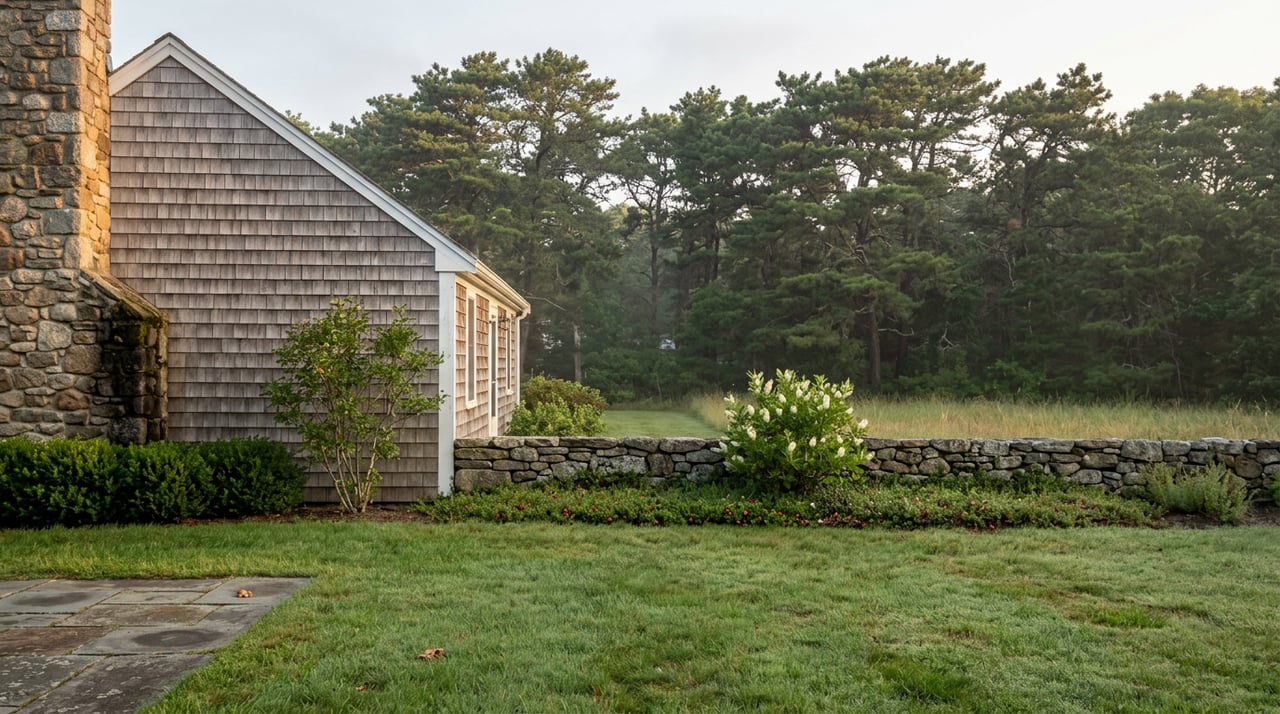
Traditional Capes use wood clapboards or cedar shingles with asphalt shingle roofs. Older versions can have fieldstone or masonry foundations and single‑pane windows. Salt air accelerates wear on wood, so plan for regular painting or staining. Composite or vinyl options can lower exterior upkeep.
Resale notes
Capes offer the recognizable Cape Cod look that many buyers want. Original footprints can feel tight by today’s standards, but well‑renovated Capes with modern kitchens, baths, and better insulation tend to sell well.
Ranch homes: one level living
How to spot it
A Ranch is single‑story with a low‑pitched roof and a long, horizontal shape. Many include an attached garage and sit on larger lots. Floorplans are often linear or L‑shaped.
How it lives
Everything is on one level, which is great for aging in place or anyone who prefers fewer stairs. Rooms can be compartmentalized in originals. Many remodels open walls to create a more modern flow.
Materials and upkeep
Siding varies, including wood, aluminum, and vinyl. Roofs are typically asphalt shingles. You will see full basements or slab‑on‑grade foundations. Older basements may need moisture control, such as dehumidification or drainage improvements.
Resale notes
Ranches appeal to downsizers and buyers who want single‑level living. On Cape Cod, many 1950s to 1970s ranches benefit from updates like insulation, windows, and HVAC to meet current comfort expectations.
Saltbox homes: historic form
How to spot it
A Saltbox has an asymmetrical profile with a long rear roof slope. It is often two stories in the front and one in the back. This New England form grew from early additions to increase space.
How it lives
Layouts often include a central chimney and a hall plan, with rear rooms that may have lower ceilings. You get more interior space than a typical Cape without a full two‑story façade.
Materials and upkeep
Traditional siding is wood shingles or clapboards. Some historic examples use post‑and‑beam construction and stone foundations. The roof shape sheds snow well, but regular roof and flashing checks are still important.
Resale notes
Saltboxes attract buyers who want historic character with a bit more room. Well‑maintained examples can be prized for their Cape Cod authenticity.
Colonial homes: balanced space
How to spot it
A Colonial usually presents two or more full stories with a symmetrical front and a formal entry. Windows are typically multi‑pane double‑hung. The massing is rectangular with a central or side hall plan.
How it lives
You often get a central staircase with rooms on each side and bedrooms upstairs. These homes tend to offer more square footage than Capes or Saltboxes. The balanced façade makes additions easier to integrate.
Materials and upkeep
Siding is commonly wood clapboard, and some modern versions use brick veneer. Many Colonials in the area have full basements and updated mechanicals, which helps with storage and service access.
Resale notes
Colonials are popular with buyers who want more bedrooms and defined spaces. The traditional look and larger footprints support strong resale when well cared for.
Contemporary homes: modern comfort
How to spot it
Contemporary homes show asymmetrical massing, larger windows, and open layouts. They are designed to bring in light and connect indoor and outdoor spaces. Materials can include fiber cement, engineered wood, and metal accents.
How it lives
Expect open plan living, modern kitchens, and en suite bedrooms. Many include home office space and attached garages. Designs suit today’s lifestyles and often come with better energy performance.
Materials and upkeep
Cladding often favors low‑maintenance choices like fiber cement or composite. Windows tend to be double or triple‑glazed. Systems are more likely to include high‑efficiency boilers or heat pumps.
Resale notes
These homes appeal if you want minimal near‑term maintenance and modern efficiency. The look is less “classic Cape,” but the comfort and performance are strong selling points.
Style fit: comfort, upkeep, resale
Age, layout, and materials shape everyday life at home, and they also influence resale. Keep these points in mind as you compare styles in Marstons Mills.
- Age and systems: Pre‑1950 homes can have original foundations, single‑pane windows, modest insulation, and older heating. Plan for upgrades like insulation, window improvements, electrical updates, and septic evaluation. Homes from the 1950s to 1970s often need energy improvements and kitchen or bath updates. Newer builds tend to need fewer immediate capital projects.
- Layout and livability: Single‑story ranches make aging in place easier. Multistory homes like Capes, Saltboxes, and Colonials separate living and sleeping areas, which many buyers prefer for privacy. Historic Capes may feel small unless expanded with dormers or a rear addition.
- Materials and coastal exposure: Wood shingles and clapboards are beautiful yet maintenance‑intensive in salty, windy conditions. Fiber cement and vinyl reduce exterior upkeep but may change the historic feel. Roofs, chimneys, flashing, and exposed trim deserve extra attention in coastal towns.
- Foundations and moisture: Fieldstone or stone foundations in older houses require monitoring and possible repointing. Older basements can be damp, so consider vapor barriers, sump pumps, and dehumidification. Slab homes need assessment of insulation and piping.
- Septic and site: Septic age, design, and Title 5 compliance matter for financing and future projects. Wetlands and proximity to ponds or rivers can limit septic locations and additions. Always confirm FEMA flood zone status and consider an elevation certificate if near water.
- Energy performance: Air sealing, insulation, and better windows offer comfort gains and lower operating costs. Cold‑climate heat pumps can provide efficient heating and cooling once electrical service supports the load.
Buyer checklist
Use this quick list to compare homes and plan due diligence.
Property condition
- Roof age and remaining life.
- Type and age of heating system, plus fuel source and availability.
- Insulation levels and window type, such as single versus double pane.
- Foundation type and any signs of moisture or settlement.
- Siding material and recent maintenance history.
- Septic or municipal sewer, including date and result of last Title 5 inspection if on septic.
- FEMA flood zone status, plus elevation certificate if near water.
- Presence of lead paint or asbestos in older homes.
- Electrical panel capacity and any knob‑and‑tube wiring.
Lifestyle and resale
- Single‑level living or multistory preference.
- Bedroom and bathroom count for today and future resale.
- Expansion potential based on lot size, setbacks, and any historic overlay.
- Maintenance tolerance for traditional wood versus lower‑maintenance cladding.
- Access to village amenities, ponds, and boat launches based on your interests.
What to line up before you buy
Plan a thorough review, especially if the home is older or near water.
- General home inspection by a licensed inspector.
- Title 5 septic inspection and report if on septic.
- Chimney and fireplace inspection if present.
- Pest and wood‑rot inspection for older wooden structures.
- Floodplain review, including an elevation certificate if near a pond or low‑lying area.
- Home energy audit. In Massachusetts, programs like Mass Save provide audits and incentives for insulation and heat pumps.
If you want a clear picture of how each Marstons Mills home style fits your needs, we are here to help you compare options, estimate likely upgrades, and plan a smart offer. Connect with the local team at Ermine Lovell Real Estate to align the right style, site, and budget.
FAQs
What home styles are most common in Marstons Mills?
- You will see classic Capes, single‑story ranches, Saltboxes, Colonials, and a growing number of contemporary homes across different eras.
Which home styles adapt best to open plans?
- Ranch and Colonial formats usually open up more easily, while Capes often need dormers or rear additions to create larger, connected spaces.
How does coastal weather affect upkeep on Cape Cod homes?
- Salt air and wind speed up wear on wood siding, trim, and metal components, so plan for more frequent exterior maintenance and use corrosion‑resistant materials.
Are historic features a resale advantage or a risk?
- Well‑maintained historic character can add value, but deferred maintenance on older systems or materials can be costly, so inspection and planning are key.
How do I check flood and septic risk in Marstons Mills?
- Confirm FEMA flood zone status, review any elevation certificate for near‑water properties, and request the Title 5 septic inspection report and system history from the seller.