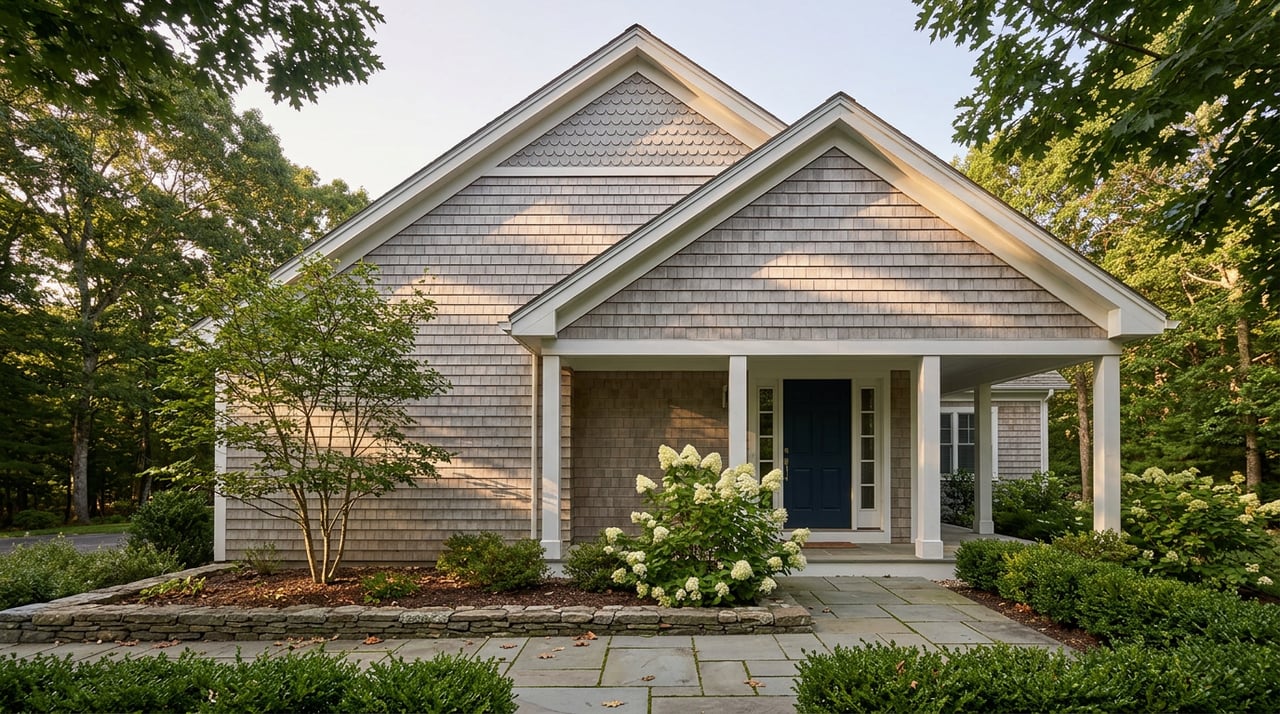
Parting with a longtime home in East Falmouth can feel personal and complex. You might be stewarding a family place with decades of memories while trying to make smart, timely decisions. This guide gives you a clear, local roadmap: what today’s buyers want, how to plan for Title 5 and flood questions, what to fix, and how to price and time your sale for the Cape market. Let’s dive in.
What buyers want now
East Falmouth draws a mix of year‑round residents, downsizers, pre‑retirees, remote professionals, and second‑home buyers. That blend shapes expectations. Turnkey or near‑water properties can draw out‑of‑area interest, often with a focus on easy maintenance and lifestyle access. Inland homes with dated systems or septic uncertainty see more price sensitivity. Your goal is to present a clean, well‑documented home that answers the biggest questions early.
Time your Cape Cod listing
Buyer traffic on Cape Cod typically peaks in late spring and summer, with a second, quieter window in early fall. If you can, plan a spring or early summer launch for maximum exposure. A well‑priced fall listing can still perform if you minimize competition and lean into strong presentation and clear disclosures.
First checks that protect your sale
Confirm taxes and records
Start with the basics. Verify the current assessed value and tax rate so you can build a realistic net sheet. Falmouth’s FY2026 tax rate was listed at $5.73 per $1,000 of assessed value. Always confirm the latest details on the town’s Assessing page and with your agent. See the town’s property values resource for context and updates on rates and assessments. Town of Falmouth Assessing
Title, deed, and authority
If the home has been held for decades or within a trust, clarify ownership and any recorded liens or restrictions. Pull the deed and plan at the Barnstable County Registry of Deeds. If a loved one owned the property and has passed, the personal representative will typically need court authority to sell, which can add time. Review the process early with a Massachusetts probate or real‑estate attorney. Barnstable County Registry of Deeds | Probate sale authority basics
Septic and wastewater basics
Know Title 5 and local rules
In Massachusetts, private septic systems are regulated under Title 5. Falmouth also adopted a local septic regulation (FHR 15.15) that took effect November 15, 2025, which requires Best Available Nitrogen‑Reducing Technology for new construction in Nitrogen Sensitive Areas. A Title 5 inspection is commonly required around the time of sale. Understanding your system’s status early can prevent last‑minute surprises and renegotiations. Falmouth septic systems and local rules
Plan for inspection and costs
If a system fails inspection or needs an upgrade, costs can be significant. Innovative/Alternative nitrogen‑reducing systems and full replacements on the Cape are often discussed in the range of tens of thousands of dollars, with some estimates around 40,000 to 80,000 dollars depending on site conditions. Ask your agent about local financing options such as Barnstable County loan programs that may help spread costs over time. Context on I/A system costs
Flood, insurance, and coastal resilience
Check your property’s flood zone and elevation. If the home lies in a Special Flood Hazard Area, most financed buyers will require flood insurance and may ask for an elevation certificate. Use planning tools to visualize current and future risk, then gather any past flood or insurance information to share with buyers. NOAA Sea Level Rise Viewer | FEMA Flood Map Service Center
Disclosures and older‑home systems
If your home was built before 1978, federal and Massachusetts rules require a lead‑paint disclosure and buyer information pamphlet. Collect any past lead or inspection reports you have. Also organize records for heating, oil tanks, electrical upgrades, roof, and insulation. Documenting work and providing invoices helps buyers value what they cannot easily see. Lead‑paint disclosure pamphlet
Updates that matter here
Focus on improvements that Cape buyers value and that speed financing:
- Septic clarity. Title 5 compliance or a clear plan is often the single biggest variable for price and buyer confidence.
- Kitchens and baths. A tasteful refresh can out‑perform a full custom overhaul on ROI.
- Systems. Reliable heat, water heater, and electrical updates appeal to year‑round buyers and reduce friction during inspection.
- Exterior. A sound roof, tidy siding or paint, and good drainage reinforce value and curb appeal.
- Presentation. Staging, floor plans, and professional photos, including seasonal and twilight shots, often shorten days on market and can improve offers. NAR staging research highlights
Price it right for East Falmouth
Online portals show different medians for East Falmouth because they use different time windows, property mixes, and boundaries. For listing strategy, rely on recent MLS sales in 02536 and the Town of Falmouth over the past 3 to 6 months, adjusted for condition, bedroom count supported by septic, water access, lot size, and flood zone. A seasoned local agent will build a pricing range using the most comparable closed sales. MLS PIN annual market context
Consider two approaches:
- Competitive, peak‑season listing. Full prep and staging, priced to draw multiple offers in spring or early summer.
- Off‑season or as‑is listing. Target local buyers and investors, priced to reflect renovation and Title 5 risk.
Repair or sell as‑is?
If the home needs a septic upgrade or major system work, completing key items before listing often widens your buyer pool and improves net proceeds. That said, every property is unique. Have your agent prepare two net sheets: one assuming repair and one assuming a buyer credit, then compare timing, risk, and bottom line.
A 10–12 week seller roadmap
- Weeks 1–2: Title and valuation
- Pull the deed and plans, confirm ownership, and identify probate needs if applicable. If you inherited the home, order a date‑of‑death appraisal to document basis. Barnstable County Registry of Deeds
- Weeks 1–4: Inspections and bids
- Schedule a pre‑listing home review and a Title 5 inspection if on septic. Obtain bids for any required septic or major system work.
- Weeks 2–5: Net‑sheet decisions
- With your agent and attorney or CPA, compare repair‑now versus credit‑at‑closing paths. Explore local loan programs for septic work if timing or cash is tight.
- Weeks 3–8: Prep and stage
- Declutter, sort and store heirlooms, deep clean, complete agreed repairs, and stage key rooms. Assemble a disclosure packet with receipts and reports. Staging research summary
- Launch timing
- Aim for late March through June for peak seasonal exposure. Fall can also work with the right price and clean disclosures.
- Negotiation and acceptance
- Be transparent about Title 5 results, flood history, and any open permits. For estates, be ready to share Letters or a court license to sell. Probate sale authority basics
- Closing coordination
- Massachusetts closings typically involve an attorney. Confirm lender and insurance needs early if the property is in a flood zone.
Handling belongings with care
A longtime home holds decades of family history. Create a simple plan so the process stays respectful and efficient:
- Make a list of items with sentimental value and photograph them. Share the album with family so choices feel fair.
- Set three zones: keep, donate, sell. Box and label as you go to avoid re‑sorting.
- For estate items, consider a professional estate‑sale company. Ask your agent for local contacts and timing tips.
- Archive house history. Save manuals, past invoices, plans, and any contractor info for the next owner.
Legal and tax notes for heirs
If you inherited the home, federal rules generally provide a step‑up in basis to the fair market value as of the date of death, which can reduce or eliminate capital gains if you sell soon after. Massachusetts has a 2,000,000 dollar estate tax exclusion for decedents in 2023 and later. Discuss the specifics with your attorney or CPA to understand filings and your net. IRS basis overview | Massachusetts estate tax guidance
Documents to assemble
- Deed and any recorded plans
- Title 5 inspection report and septic service records
- Property tax bill and recent assessment
- Insurance claim history, if available
- Maintenance, repair, and system upgrade invoices
- Any association or conservation documents
Ready to sell with confidence?
If you are preparing to sell a longtime home in East Falmouth, local guidance and careful planning make all the difference. From Title 5 and flood questions to pricing, staging, and probate coordination, you deserve a steady hand and village‑level expertise. Talk with a team that blends decades of Upper Cape stewardship with modern marketing and white‑glove coordination. Connect with Ermine Lovell Real Estate to map your best path forward.
FAQs
What should East Falmouth sellers do first?
- Verify ownership and authority, pull the deed from the Barnstable Registry, confirm the current tax rate and assessment, and schedule a Title 5 review if on septic.
How do Title 5 rules affect my sale?
- A recent inspection is commonly required and, if a system fails or is within a Nitrogen Sensitive Area, upgrades can be needed; plan timelines and costs early. Falmouth septic overview
Do I need flood insurance to sell?
- Sellers are not required to carry flood insurance, but buyers with mortgages will if the home is in a Special Flood Hazard Area; share zone details and any elevation info. FEMA flood maps
How should I price my East Falmouth home?
- Use recent MLS sales in 02536 and Falmouth as your guide, adjusted for condition, septic‑supported bedrooms, location, and flood zone; portals vary by data window. MLS market context
What tax issues matter for inherited homes?
- Heirs often receive a step‑up in basis to the value at date of death, and Massachusetts applies a 2,000,000 dollar estate tax exclusion; confirm specifics with your attorney or CPA. Massachusetts estate tax