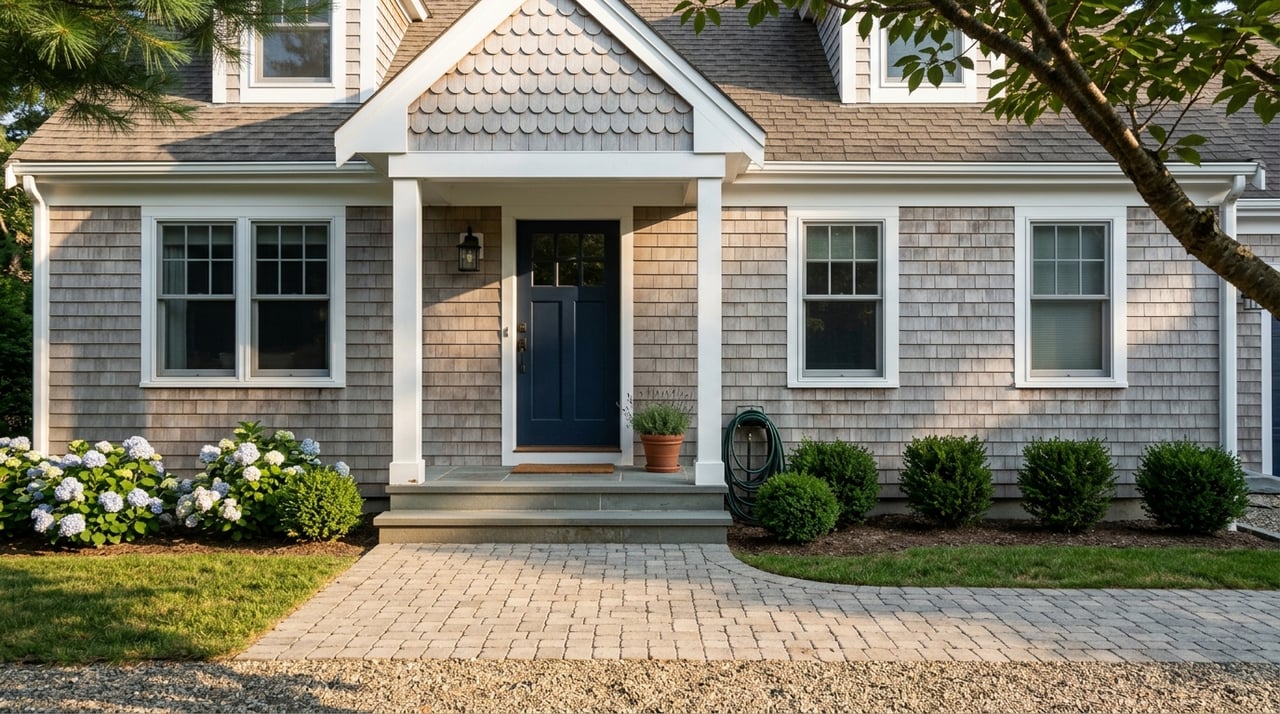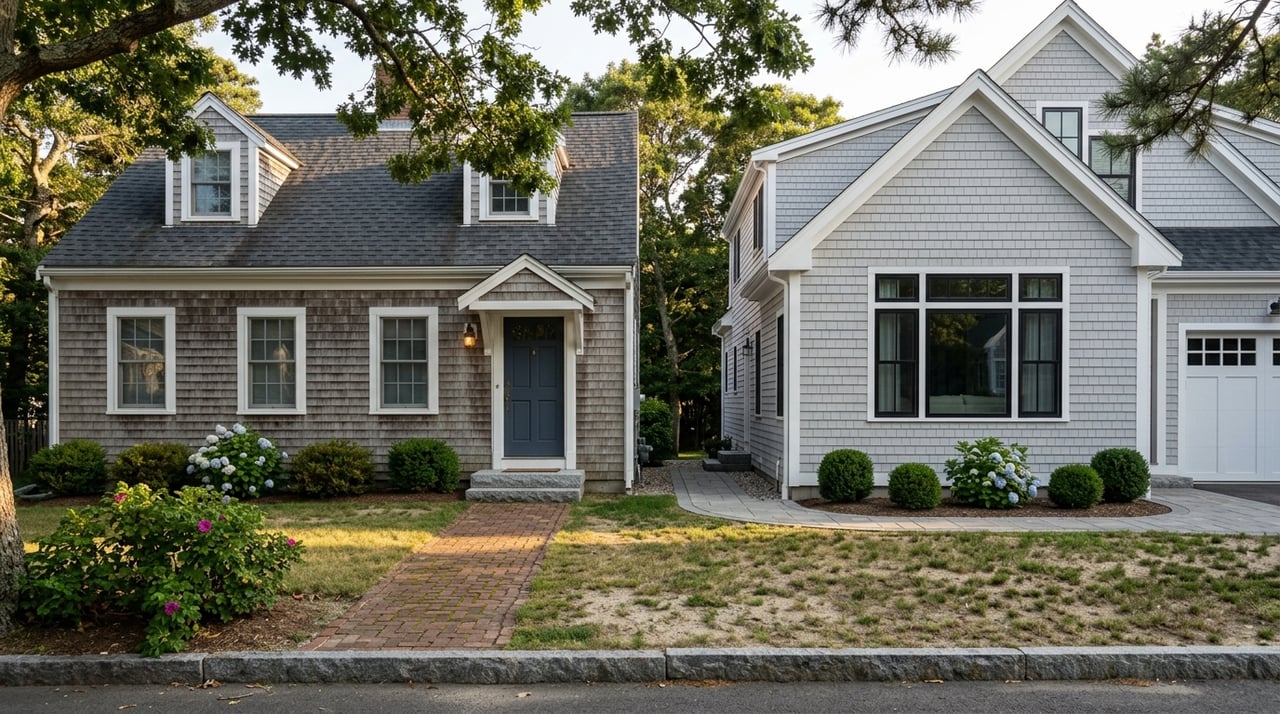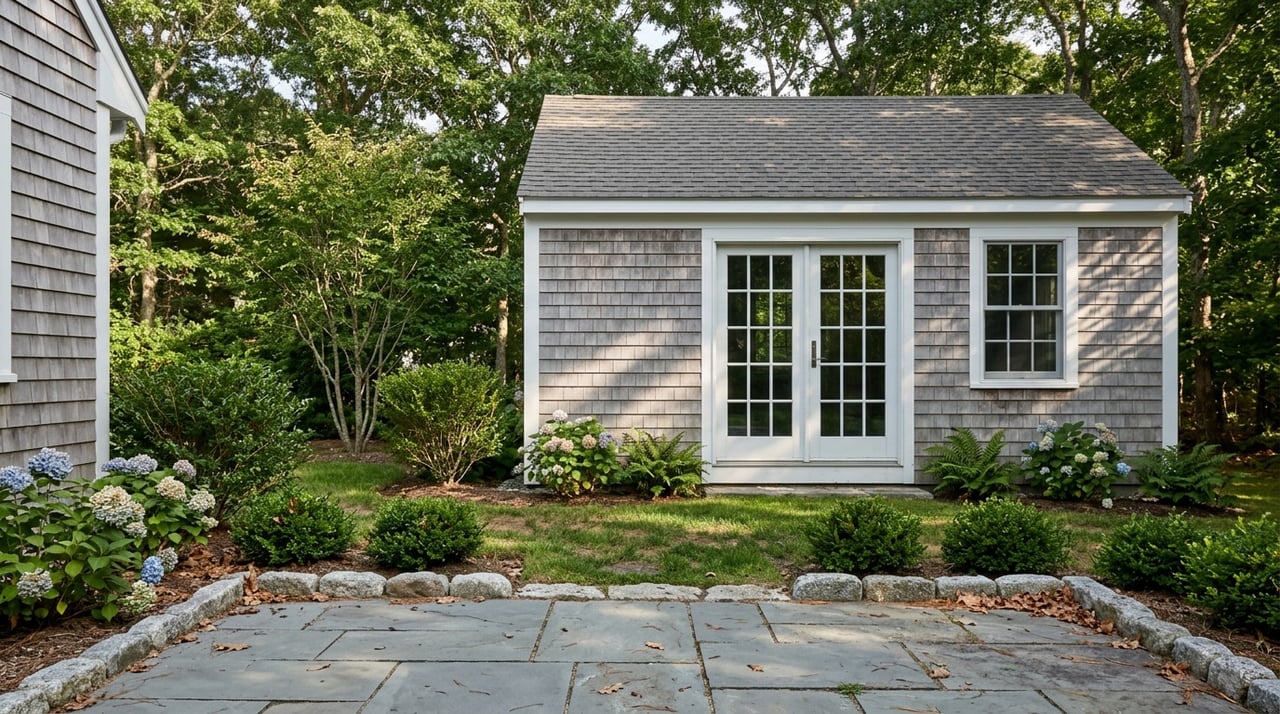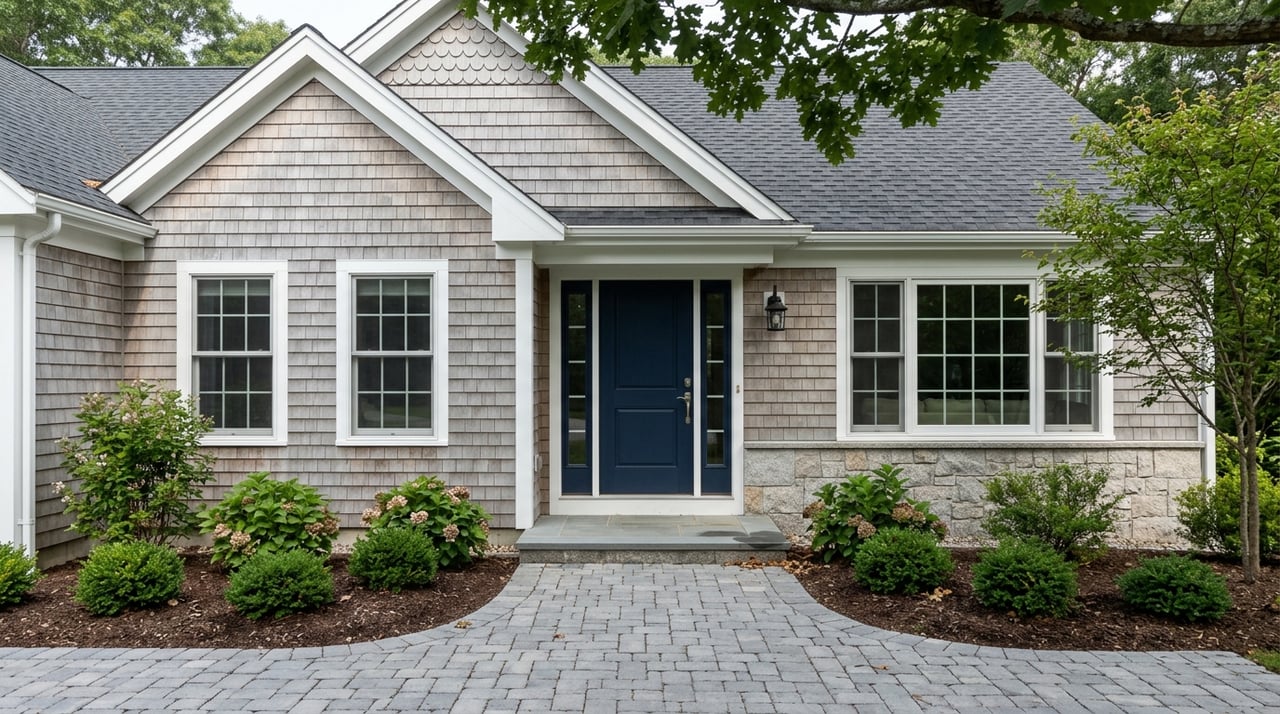
Thinking about a newer home in Mashpee? It is easy to focus on fresh finishes, open layouts, and low-maintenance appeal, but in this market, newer construction often comes with bigger questions about sewer access, association rules, energy performance, and long-term carrying costs. If you are comparing a planned neighborhood, condo community, or mixed-use development, understanding those details can help you buy with more confidence. Let’s dive in.
How newer homes fit into Mashpee
Newer homes in Mashpee are shaped by local planning priorities as much as by buyer demand. The town’s Housing Production Plan was approved by the Massachusetts Executive Office of Housing and Livable Communities on June 27, 2025, and local planning materials show an ongoing focus on balancing housing growth with wastewater capacity, water-quality restoration, and preservation of Mashpee’s small-town character.
That planning context matters when you shop for newer homes. Instead of seeing development happen only lot by lot, you are more likely to find newer housing in planned neighborhoods, condominium communities, cluster-style subdivisions, and mixed-use areas where infrastructure and land use have already been part of the review process.
Where newer development is happening
Two of the clearest themes in Mashpee’s current development pipeline are mixed-use housing and planned residential communities. Town materials point to Mashpee Commons as a major opportunity for additional year-round housing and mixed-use density, with approved housing components tied to wastewater infrastructure.
Planning Board records also show active review in New Seabury, including projects such as Osprey Court and Topspin Way. Those reviews include issues like stormwater, fire access, water quality, subdivision design, and wastewater, which tells you something important: in Mashpee, newer housing is closely connected to infrastructure planning.
How newer homes differ from older housing
Many older homes in Mashpee reflect an earlier pattern of Cape growth that was heavily single-family oriented. Newer development trends look different. Current town policy language favors more compact, walkable, pedestrian-friendly mixed-use neighborhoods and cluster-style development where appropriate.
For you as a buyer, that can change both the look and the ownership experience of a home. A newer property may be part of a neighborhood with shared open space, a condo structure, or an association-managed setting rather than a traditional stand-alone lot with fewer shared responsibilities.
Why energy performance matters
Newer homes in Mashpee should also be viewed through the lens of energy performance, not just curb appeal. Mashpee is listed by the state as a Stretch Code municipality, with an effective date of January 1, 2011, and Massachusetts says the Stretch Code is intended to produce more efficient construction than the base code.
That does not mean every newer home will perform the same way. It does mean you should look beyond countertops and paint colors and ask about insulation, HVAC systems, airtightness, water-heating equipment, and any available performance documentation from the builder.
Condo and HOA details to review
Many newer homes in Mashpee are likely to involve a condominium or homeowner association structure. Under Massachusetts law, condominiums are privately owned and governed by documents such as the master deed, deed, and bylaws, and common expenses are assessed according to those governing documents and statutory rules.
That is why association review is so important before you buy. Fees may cover building maintenance, landscaping, grounds, or shared systems, but the exact breakdown depends on the community. You will want a clear picture of what you are paying for and what still falls on you as the owner.
Key questions about association living
If you are considering a newer condo or HOA home in Mashpee, ask for clear answers to questions like these:
- Is the property a condominium, HOA community, or cluster subdivision?
- What do the monthly or periodic fees cover?
- What maintenance belongs to the association?
- What maintenance remains your responsibility?
- Are there any recent or potential special assessments?
- Are there shared systems, such as septic or other infrastructure, handled by the association?
Sewer service can affect costs
In Mashpee, sewer status is not a small detail. It can affect both your monthly carrying costs and your future maintenance profile. The town says eligible properties must connect to the sewer system within 90 days of notification.
The current schedule is also important. Phase 1 became operational in summer 2025, Phase 1A is under construction with connections expected in early 2026, and Phase 2 is under construction with completion estimated for spring 2028.
Some approved properties may be configured for gravity sewer, while others may use low-pressure or grinder-pump service. For a buyer, that means two homes with similar square footage and finishes may come with very different infrastructure responsibilities.
Sewer questions worth asking
Before moving forward on a newer home, ask:
- Is the home connected to sewer now?
- If not, is connection tied to a future phase?
- Will the property use gravity sewer or grinder-pump service?
- What costs or maintenance responsibilities come with that setup?
- If the property is not yet sewered, what septic responsibilities remain in the meantime?
Shared systems and insurance basics
If a newer home is part of a condominium, shared systems deserve extra attention. Massachusetts notes that condo associations usually carry insurance covering the building, common walls, and grounds, while unit owners still need coverage for what the master policy does not include.
The state also notes that association agreements may allow assessments for extra costs tied to a loss. If the condominium uses a shared septic system, the association is generally responsible for inspection, maintenance, and upgrades unless the governing documents say otherwise. This is another reason the condo documents matter just as much as the floor plan.
Seasonal use versus year-round living
Mashpee’s housing market serves more than one kind of buyer. Town planning materials say about 30% of the housing stock is used only part of the year as second homes, while local policy goals also prioritize year-round housing over seasonal or transient uses.
That mix makes newer homes appealing to both full-time owners and seasonal buyers, but the right fit depends on the details. If you plan to use the property year-round, you may care most about winterization, service access, and practical maintenance. If you are buying a second home, you may focus more on convenience, association support, and how manageable the property feels when you are away.
Flood risk should stay on your checklist
Because Mashpee is a coastal town, flood due diligence should remain part of your search. The town’s flood-information page advises buyers to check whether a property is in a Special Flood Hazard Area and to consult the GIS and Building departments. It also notes that elevation certificates are available for some properties.
Insurance is part of that picture too. Massachusetts says standard homeowners policies do not cover flood damage, and flood insurance is separate from a standard policy. For newer homes near the coast or in low-lying areas, this is a practical cost question you will want to understand early.
What to ask before you buy
Newer construction in Mashpee can offer a lot to like, but it pays to look deeper than the finish schedule. A well-informed review can help you compare properties more accurately and avoid surprises after closing.
Focus your questions on the issues that matter most in this market:
- What type of community is this: single-family, condo, HOA, cluster, or mixed-use?
- What are the fees, and what do they cover?
- What infrastructure serves the home now?
- Is sewer in place, pending, or still tied to septic?
- What energy-efficiency features or documentation are available?
- Is the property in a flood zone, and is an elevation certificate available?
- Is the home best suited for year-round use, seasonal use, or both?
Why local guidance helps
In Mashpee, newer homes are part of a bigger local story about planning, infrastructure, and long-term stewardship. The right home for you may be a low-maintenance condo, a planned neighborhood property, or a newer residence in a mixed-use setting, but the details behind ownership matter.
When you understand sewer timing, association structure, energy performance, and flood considerations, you can evaluate newer homes with clearer expectations. That kind of local, practical insight is especially valuable if you are buying from off-Cape or balancing second-home goals with long-term ownership costs.
If you are exploring newer homes or developments in Mashpee, Ermine Lovell Real Estate can help you sort through the details and find the right fit for how you plan to live.
FAQs
What makes newer homes in Mashpee different from older homes?
- Newer homes in Mashpee are more likely to be part of planned neighborhoods, condo communities, cluster developments, or mixed-use areas, and they often reflect newer energy-code standards and infrastructure planning.
What should buyers ask about Mashpee condo and HOA fees?
- You should ask what the fees cover, what the association maintains, what you still maintain as the owner, and whether there are any shared-system responsibilities or possible special assessments.
How does sewer service affect newer homes in Mashpee?
- Sewer status can affect both carrying costs and maintenance responsibilities, and buyers should confirm whether a home is connected now, scheduled for a future phase, or still dependent on septic.
Are newer homes in Mashpee suitable for seasonal use?
- Some newer homes may work well for seasonal ownership, but you should confirm details like winterization, service access, and any association rules that affect how you plan to use the property.
Why should buyers check flood status for newer homes in Mashpee?
- The town advises buyers to confirm whether a property is in a Special Flood Hazard Area, and flood insurance is separate from a standard homeowners policy, so this can directly affect your costs and risk planning.