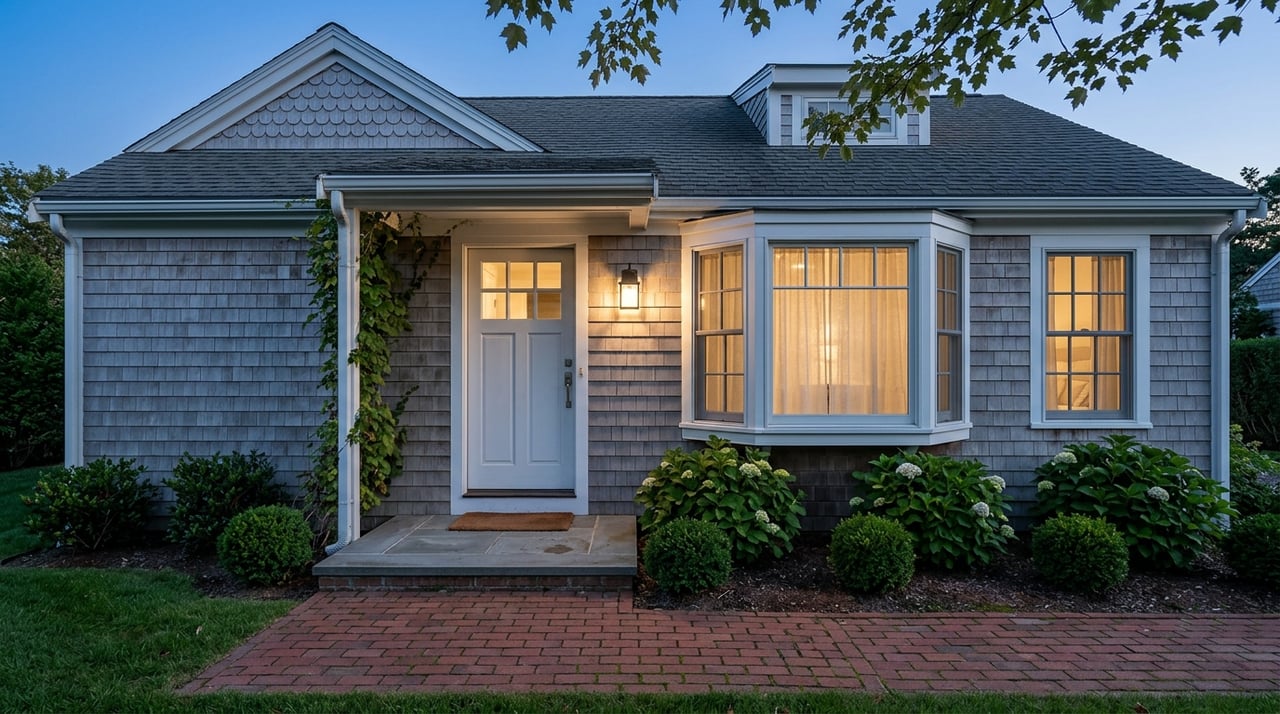
Trying to choose between a home on the water and a home closer to daily conveniences in Mashpee? You are not alone. For many buyers, this is one of the biggest lifestyle decisions in the local market, especially in a town shaped so strongly by bays, ponds, beaches, and village-style destinations. The good news is that Mashpee offers both options in meaningful ways, and understanding the tradeoffs can help you search with more clarity. Let’s dive in.
Why Mashpee Supports Both Lifestyles
Mashpee is a water-oriented Cape Cod town with a year-round population of about 15,000, and the town says nearly half of its land is protected. Its setting stretches from seashore and bays to freshwater ponds and the Mashpee River corridor. That mix helps explain why buyers here often choose between a water-first lifestyle and a convenience-first one.
In practical terms, Mashpee is not a place where one type of living completely defines the market. You can find shoreline settings that focus on views and access, and you can also find more village-style areas built around everyday errands, dining, and activity. Your best fit usually comes down to how you want your day-to-day life to feel.
What Waterfront Living Means
In Mashpee, waterfront living can mean several different settings. Some homes are tied to saltwater locations near places like Waquoit Bay or Popponesset Bay, while others are set along rivers or freshwater ponds. That range matters because the experience can vary quite a bit depending on the kind of water you want nearby.
The town highlights boating, fishing, bathing, and relaxation at places such as South Cape Beach, Waquoit Bay, and Popponesset Bay. Harbormaster information and mooring maps also point to practical water access around Great River, Ockway Bay, Mashpee Neck, Mashpee River, Little River, Mashpee Neck Marina, and Popponesset Bay. If your ideal day includes getting out on the water, Mashpee gives you several ways to do that.
Waterfront Is Usually Low-Rise
One important thing to understand is that Mashpee waterfront living is generally shoreline-based and low-rise. The town describes Ashumet Pond as having shoreline heavily developed with year-round homes. It also describes Johns Pond as surrounded by residential neighborhoods, conservation land, and wooded areas, and Mashpee-Wakeby as having shoreline heavily developed with houses, town beaches, and summer camps.
That tells you something useful as a buyer. In Mashpee, waterfront inventory is usually about the setting and lifestyle rather than dense, urban-style development. If you picture direct access, water views, and a more natural shoreline feel, that is closer to the local pattern.
Waterfront Comes With More Logistics
Waterfront living can be appealing, but it usually asks more of you as an owner. Mashpee waters are a no-discharge zone, and the town provides pump-out service from Memorial Day through mid-October. The Harbormaster also says all areas have mooring waitlists, which is an important detail if boating access is part of your plan.
The town is also actively focused on water quality, septic impacts, and nitrogen reduction, especially in areas tied to Waquoit Bay and Popponesset Bay. For buyers, that means waterfront ownership is not just about views and recreation. It also involves staying aware of local planning, watershed priorities, and practical property considerations.
Beach Access Matters Too
If public beach use is part of your waterfront wish list, it helps to look closely at access rules. The town’s current sticker application says summer beach access uses stickers for the three public beaches, and visitors can buy weekly passes. That may not change whether you love a property, but it can shape how you use the area during the busiest season.
For some buyers, these details are minor. For others, they become part of the larger ownership picture. Either way, they are worth confirming early.
What Village Living Means
Village living in Mashpee usually points buyers toward a more convenience-based lifestyle, and Mashpee Commons is the clearest example. The town’s planning materials describe it as a mixed-use community activity center with retail merchants, eateries, a movie theater, a bowling alley, fitness studios, art galleries, grocery stores, offices, and apartments. It also emphasizes pedestrian- and bicycle-friendly streets, bike routes, and a bus stop on Steeple Street.
If waterfront living is about daily connection to the shoreline, village living is more about having daily needs close at hand. You may be able to walk or bike to errands, meet friends for a meal nearby, or enjoy an active town-center feel. For many buyers, that kind of ease is a major quality-of-life advantage.
Village Housing Is More Varied
The housing mix around Mashpee Commons is broader than many buyers expect. The town’s pattern book describes apartments in the Core and Transition areas, along with small apartment buildings, townhouses, small-lot single-family detached homes, and some two-family or accessory-dwelling possibilities. That creates a more mixed-density environment than what you usually find in shoreline settings.
This can be especially helpful if you want flexibility in price point, upkeep, or property type. A village-oriented search may open the door to options that feel easier to manage or better matched to a lock-and-leave lifestyle. It can also be useful if your top priority is proximity to services rather than direct water access.
Convenience Drives the Appeal
Mashpee’s visitor information reinforces the appeal of this style of living. The town notes that local businesses offer casual and fine dining, stores and small shops, plus community recreation and trails. For buyers who want activity nearby without making every plan around water access, village living often feels more practical.
That does not mean giving up the Cape Cod setting. It simply means your everyday routine is centered more on convenience than on shoreline logistics. In Mashpee, that distinction matters.
Waterfront Versus Village at a Glance
The choice in Mashpee is often less about coastal versus inland and more about water-first versus convenience-first. Both lifestyles can work well, but they serve different priorities.
| Lifestyle | Often a Better Fit If You Want | Key Things to Confirm |
|---|---|---|
| Waterfront living | Boating, beach time, water views, and a daily connection to bays, rivers, or ponds | Mooring availability, launch access, beach-sticker rules, and watershed-related planning |
| Village living | Walkable conveniences, a broader housing mix, and fewer water-dependent logistics | Property type, proximity to daily amenities, and how much activity you want nearby |
How to Decide Which Fit Is Right
If you are still torn, start by thinking about your weekly routine instead of your dream-photo version of a home. Do you picture yourself planning around boating, beach days, and water views? Or do you care more about being close to groceries, dining, fitness, and everyday errands?
That simple question usually reveals a lot. Buyers who love the shoreline lifestyle often accept added logistics because the payoff feels worth it. Buyers who want ease and flexibility often prefer a village setting because it supports daily life with fewer moving parts.
Questions Worth Asking Early
Before narrowing your search in Mashpee, it helps to confirm a few location-specific details:
- Is there practical launch access for the kind of boating you want?
- Are moorings available, or should you expect a waitlist?
- How do beach sticker rules affect your seasonal plans?
- Is the property in an area where watershed or sewer planning may shape future ownership decisions?
- Do you want your home search focused on shoreline setting or on convenience to shops, dining, and services?
Because Mashpee is small, water-centered, and actively managing coastal and freshwater resources, these questions matter more here than they might in a more inland town. Getting clear answers early can save time and keep your search aligned with your real priorities.
A Local Perspective Matters
Mashpee offers a rare side-by-side comparison of two strong Cape Cod lifestyles. One puts the water at the center of your day. The other puts convenience, walkability, and a broader housing mix at the center. Neither is automatically better. The right choice depends on how you want to live, what kind of property feels manageable, and which tradeoffs you are comfortable making.
That is where local guidance becomes especially valuable. A clear understanding of water access, neighborhood patterns, and property logistics can help you move past broad labels and focus on the homes that truly fit.
If you are weighing waterfront versus village living in Mashpee, Ermine Lovell Real Estate can help you compare the lifestyle details, property options, and local considerations that matter most.
FAQs
What does waterfront living in Mashpee usually include?
- Waterfront living in Mashpee can include saltwater, riverfront, or pondfront homes, often with a strong focus on boating, fishing, beach access, water views, and shoreline setting.
What does village living in Mashpee usually mean?
- Village living in Mashpee usually refers to a convenience-oriented setting, especially around Mashpee Commons, with access to shops, dining, recreation, offices, and a more mixed housing pattern.
Is Mashpee waterfront housing typically dense?
- No. Town information suggests Mashpee waterfront housing is generally low-rise and shoreline-based, with the setting and lifestyle taking priority over dense development.
Are there extra rules for owning waterfront property in Mashpee?
- Yes. Buyers should be aware of local factors such as no-discharge rules, seasonal pump-out service, mooring waitlists, beach access regulations, and water-quality or watershed-related planning.
Is Mashpee Commons a true village-style option?
- Yes. Town planning materials describe Mashpee Commons as a mixed-use activity center with pedestrian- and bicycle-friendly streets, a bus stop, and a broad mix of commercial and residential uses.
How should buyers choose between waterfront and village living in Mashpee?
- A good starting point is to decide whether you want a water-first lifestyle centered on bays, rivers, ponds, and beaches, or a convenience-first lifestyle centered on walkability, errands, dining, and a broader range of housing types.