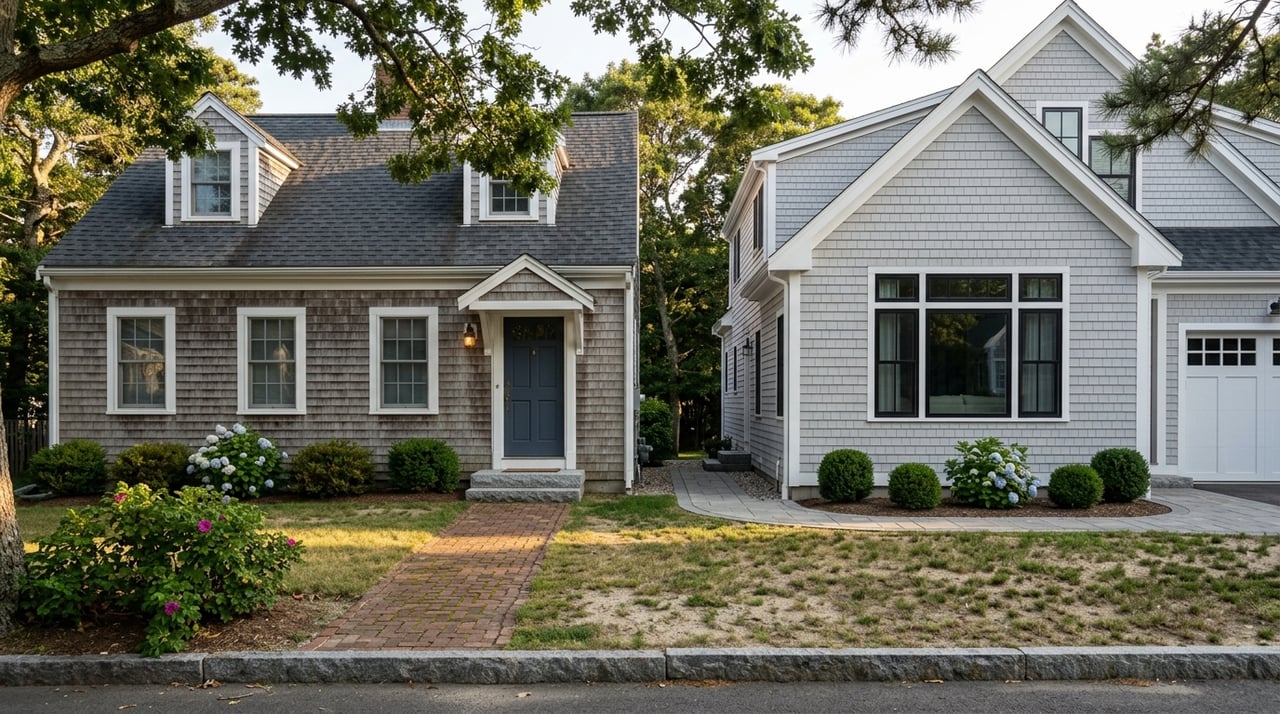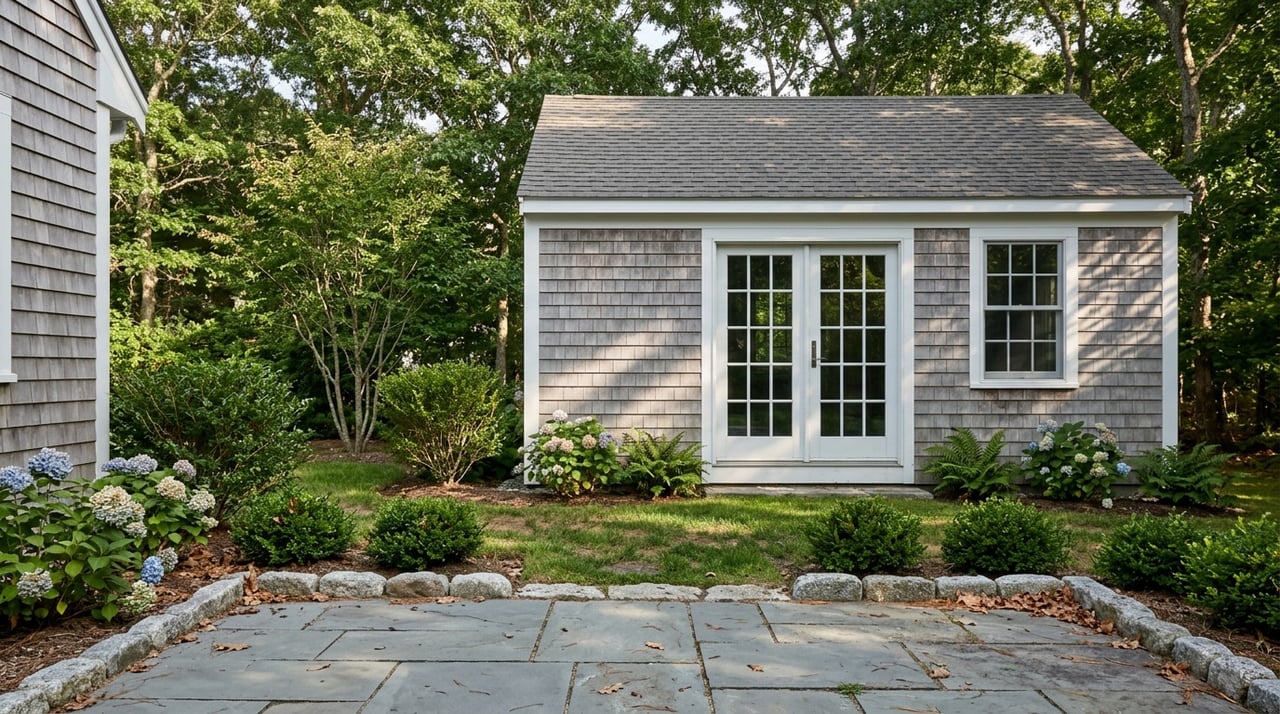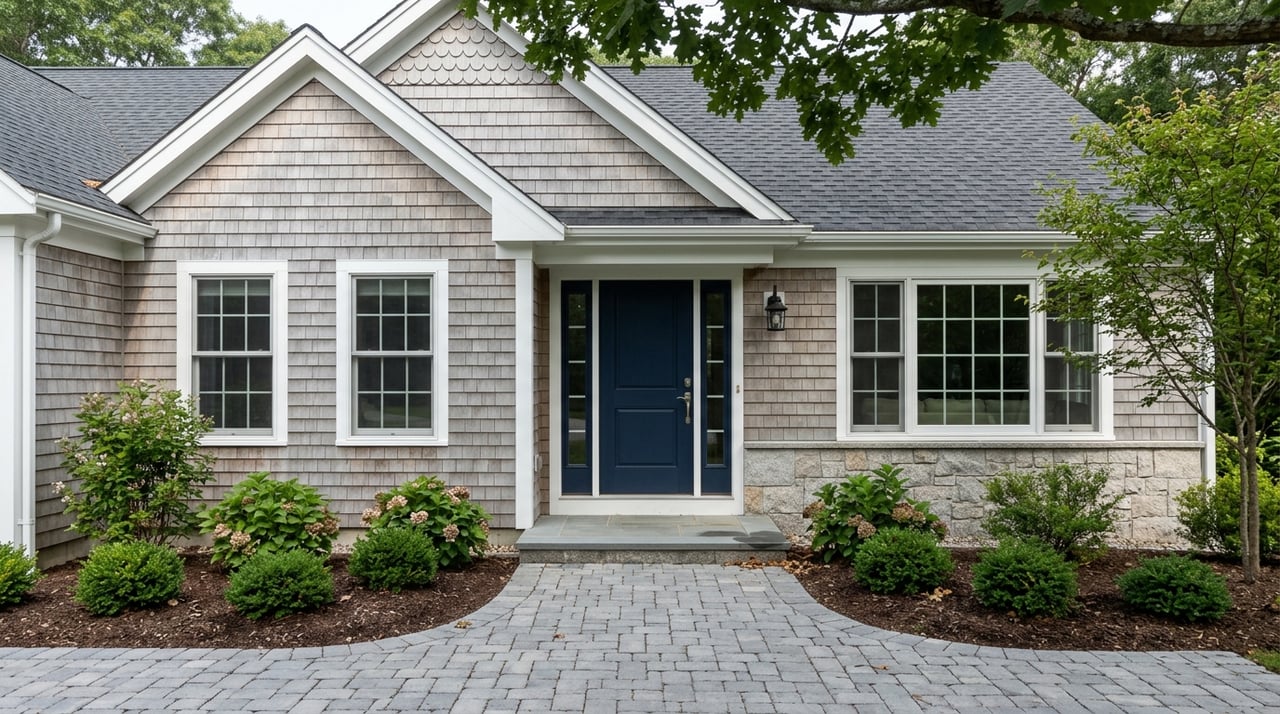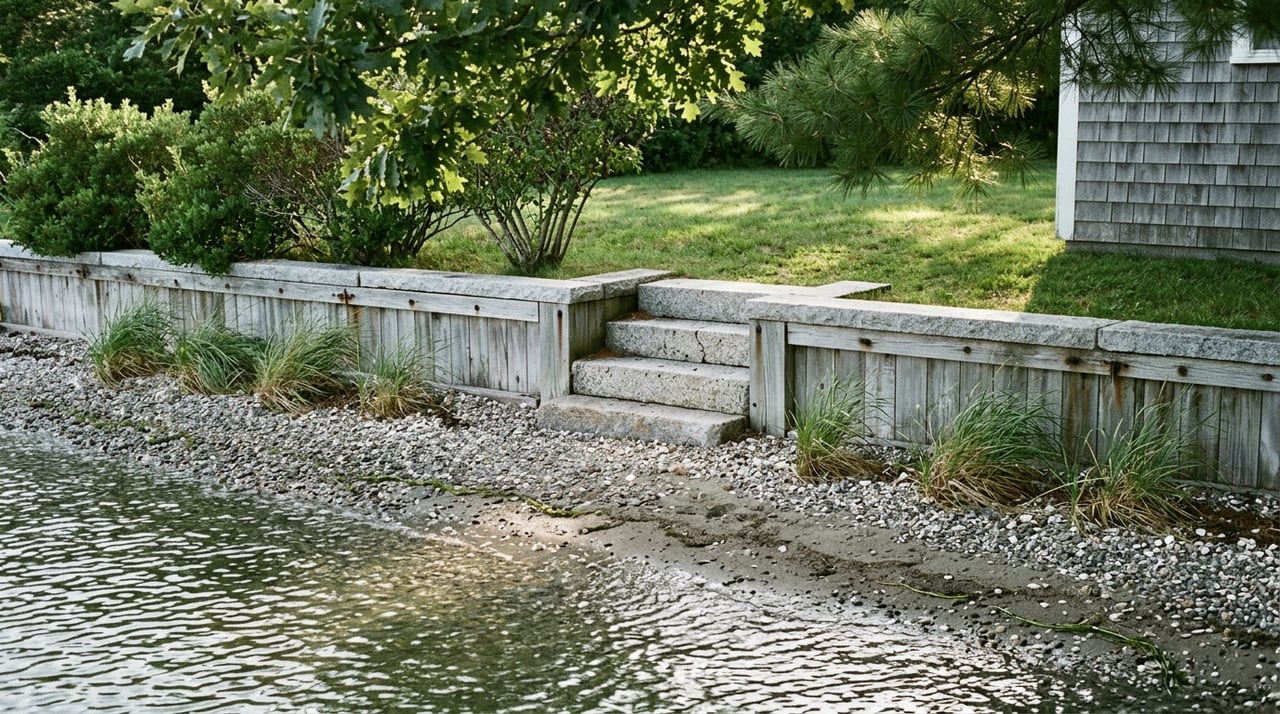
Selling a waterfront home in West Falmouth is rarely as simple as putting a sign in the yard and waiting for offers. Buyers here tend to look beyond square footage and finishes because shoreline details, water access, permits, and property history can shape value just as much as the house itself. If you are thinking about selling, it helps to know what buyers will ask, what records matter, and how to prepare your property before it hits the market. Let’s dive in.
Why West Falmouth waterfront sales need extra planning
West Falmouth sits within a coastal part of Falmouth where the shoreline plays a major role in how property is used and understood. The town describes Falmouth as having roughly 68 to 70 miles of shoreline, 14 harbors, and about 3,000 moorings, all within a setting shaped by beaches, embayments, fish runs, shellfish habitat, and ongoing coastal change.
For you as a seller, that means buyers often focus on a full package of property details. They may care about water access, shoreline condition, exterior approvals, boating use, flood-zone context, and the regulatory history tied to the lot. A well-prepared sale answers those questions early and clearly.
What buyers notice first
Shoreline condition and flood exposure
Waterfront buyers often start with the land before they focus on the interiors. They may ask about erosion, beach width, runoff, storm history, bank stability, and where the home sits in relation to flood maps.
In Massachusetts, coastal guidance recommends reviewing erosion rates, floodplain maps, storm surge and inundation, shoreline change, and sea-level-rise resources. Even if your buyer loves the views, they will likely want a realistic picture of how the site functions over time.
Dock, float, and mooring questions
Boating access can be a major draw, but it is also one of the easiest areas for confusion. In Falmouth, moorings do not automatically convey with a property, and harbor moorings are wait-listed, so a buyer should not assume an existing mooring transfers or remains in the same location.
Float and dock use also comes with rules. Falmouth states that most floating docks require Conservation Commission and DEP approval, and float permits are limited by ownership, placement, anchoring, and seasonality. For example, town guidance says permitted floats must be removed by November 1 and cannot be placed before April 1.
Views and exterior character
A strong waterfront listing often highlights open water, changing light, sunsets, and the way the house sits on the lot. Those details matter, but so does accuracy. Buyers want to know what the current site offers and whether visible exterior changes may be restricted.
That is especially important in West Falmouth because it is within one of Falmouth’s local historic districts. If your property falls within the district, visible exterior work such as additions, sheds, fences, stone walls, and other changes may require Historical Commission review before a permit can be issued.
Utilities and site upkeep
Practical systems matter in every sale, but they carry extra weight on the waterfront. Buyers often ask whether the home is served by sewer or septic, when the septic system was last pumped, and whether a Title 5 inspection is available.
Massachusetts advises that septic systems be inspected when a home is bought or sold. Falmouth also notes that cesspools and septic tanks generally should be pumped at least every three years, so having clear records can help reduce uncertainty during the sale.
How to prepare before listing
Gather your paperwork early
The best time to organize waterfront documents is before photography, showings, and buyer questions begin. A stronger listing package often includes:
- Survey documents
- Deed references
- Easement information
- Dock or float records
- Mooring status details
- Conservation Commission approvals, if applicable
- Any Chapter 91-related approvals, if applicable
- Septic and Title 5 records, if available
This paperwork helps buyers understand what is part of the property, what is regulated, and what may depend on separate approval. It also helps prevent assumptions that can slow down negotiations later.
Clarify what actually transfers
This step is one of the most important for a West Falmouth waterfront sale. If your property includes boating features or shoreline improvements, be precise about what is transferable, what is seasonal, and what is tied to the owner rather than the land.
For example, Falmouth’s rule on moorings is clear: they do not simply transfer with the house. If a float or dock exists, its current permit status matters too, so it is smart to confirm the record before the home goes live.
Tidy the site with coastal conditions in mind
First impressions count, especially on the waterfront where the lot is part of the lifestyle. Coastal landscaping can improve visual appeal and help stabilize a site, and Massachusetts coastal guidance notes that native, salt-tolerant plantings are often a better fit for wind, salt spray, sandy soils, and storm exposure.
That said, not every improvement is a quick cosmetic project. Work in or near wetland resource areas may require approval from the local Conservation Commission and or DEP, so it is wise to confirm what is allowed before making changes.
Check historic district requirements
If your home is in the West Falmouth Historic District, visible exterior work should be reviewed carefully before you start repairs or pre-sale improvements. Falmouth states that work visible from a public way within a local historic district requires a Certificate of Appropriateness or administrative review before a building or sign permit can be granted.
That does not mean you cannot prepare the home. It means the order of operations matters, and a local, organized approach can save time and frustration.
Questions you should be ready to answer
When buyers walk through a waterfront home, they tend to ask focused, practical questions. The more direct your answers are, the more confidence you can create.
Here are a few questions that commonly come up:
- Does the mooring transfer with the property?
- Is there a current Title 5 inspection or septic history available?
- Are the dock, float, or other shoreline features permitted?
- Has the shoreline experienced erosion or storm damage?
- Are there any easements or use restrictions tied to the lot?
- Is exterior work subject to local historic district review?
If you can answer these questions with documentation, your listing often feels more credible and easier to evaluate.
Why presentation matters more on the waterfront
A waterfront home usually benefits from more than standard listing photos. Buyers are trying to understand the setting, not just the kitchen and living room. They want to see the shoreline, the approach to the water, the orientation of the lot, and how the home sits in relation to views and outdoor spaces.
That is why a strong marketing package often includes clear shoreline photography, elevated or aerial exterior images, a survey overlay, and a plain-language summary of permits and transferability. For a property type with more moving parts, good presentation is really about reducing buyer uncertainty.
How local guidance helps your sale
West Falmouth waterfront homes ask for local knowledge because the details are local. Town rules on moorings, float permits, historic district review, and coastal conditions all shape how buyers evaluate a property and how confidently they move forward.
A boutique brokerage with roots in Falmouth can help you present those details in a calm, organized way. That is especially useful if you are a second-home owner or managing a sale from off-Cape and need help coordinating paperwork, timing, vendors, and property access.
At Ermine Lovell, that kind of hands-on service is part of the approach. With deep Falmouth roots, owner-led guidance, and modern MLS exposure, the goal is not just to market your home broadly, but to tell the shoreline story clearly and responsibly so the right buyers can step in with confidence.
If you are considering your next move, Ermine Lovell Real Estate can help you prepare, position, and market your West Falmouth waterfront home with local care and informed strategy.
FAQs
What makes selling a West Falmouth waterfront home different?
- Buyers often evaluate shoreline condition, flood exposure, boating access, permit history, and exterior review requirements along with the house itself.
Do moorings transfer with a waterfront home in Falmouth?
- No. Falmouth says moorings do not automatically convey with a property, and buyers should not assume an existing mooring transfers or stays in the same location.
Do West Falmouth waterfront sellers need a septic inspection?
- Massachusetts advises that septic systems be inspected when a home is bought or sold, so sellers should be ready with Title 5 information when available.
Are floating docks and floats regulated in Falmouth?
- Yes. Falmouth states that most floating docks require Conservation Commission and DEP approval, and local rules also govern placement, anchoring, and seasonal removal.
Can exterior updates on a West Falmouth waterfront home require review?
- Yes. If the property is in the West Falmouth Historic District, visible exterior work may require Historical Commission review before a permit can be issued.
What documents help a waterfront home sale go more smoothly?
- Useful records often include surveys, deed references, easements, dock or float records, mooring status, permit history, and septic documentation.